

Share
1/6


Help me find it
About this product
Architonic ID: 1350767
Year of Launch: 1969
DIMENSIONS
width 430 mm
depth 400 mm
height 730 mm
seat height 450 mm
MATERIAL | COLOR
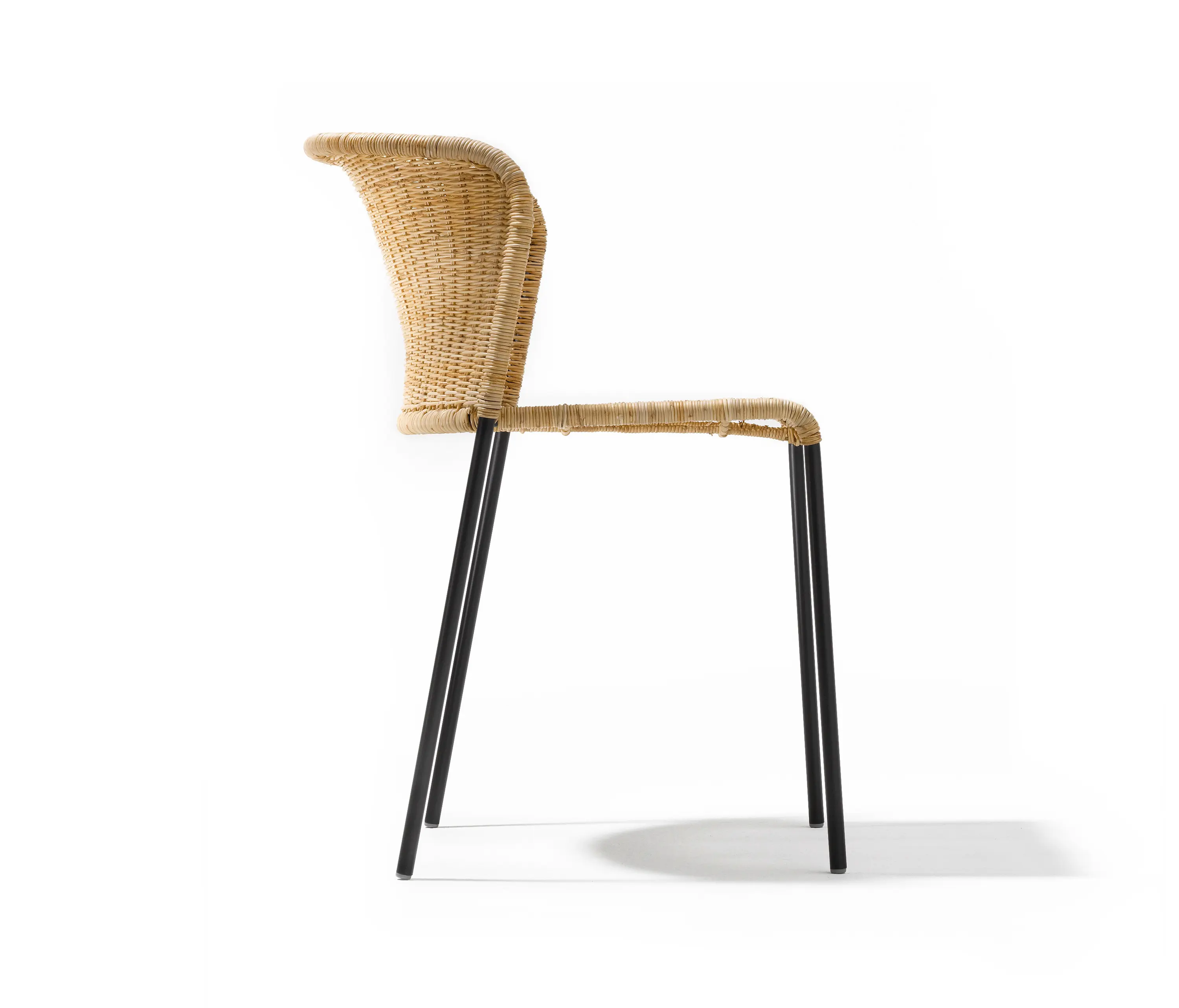
tubular steel, powder coated black (RAL 9005) with natural rattan
Concept
This tubular steel and rattan chair has nothing in common with the widely used romantic wicker furniture in the country-house or colonial style. What we have here is a strictly architectural design by Bauhaus alumnus Herbert Hirche. The part you perceive as the backrest is also the armrest.
A member of the German Design Council since 1961, interior and furniture designer Herbert Hirche and his team designed the interior of the Santa Lucia restaurant, first in 1956 and again in 1969. Santa Lucia was the first Italian trattoria and pizzeria in Stuttgart. As part of the interior design, Hirche created two chairs named after the restaurant. At the end of the 1990s, we started to reproduce one of these chairs, designed in 1969.
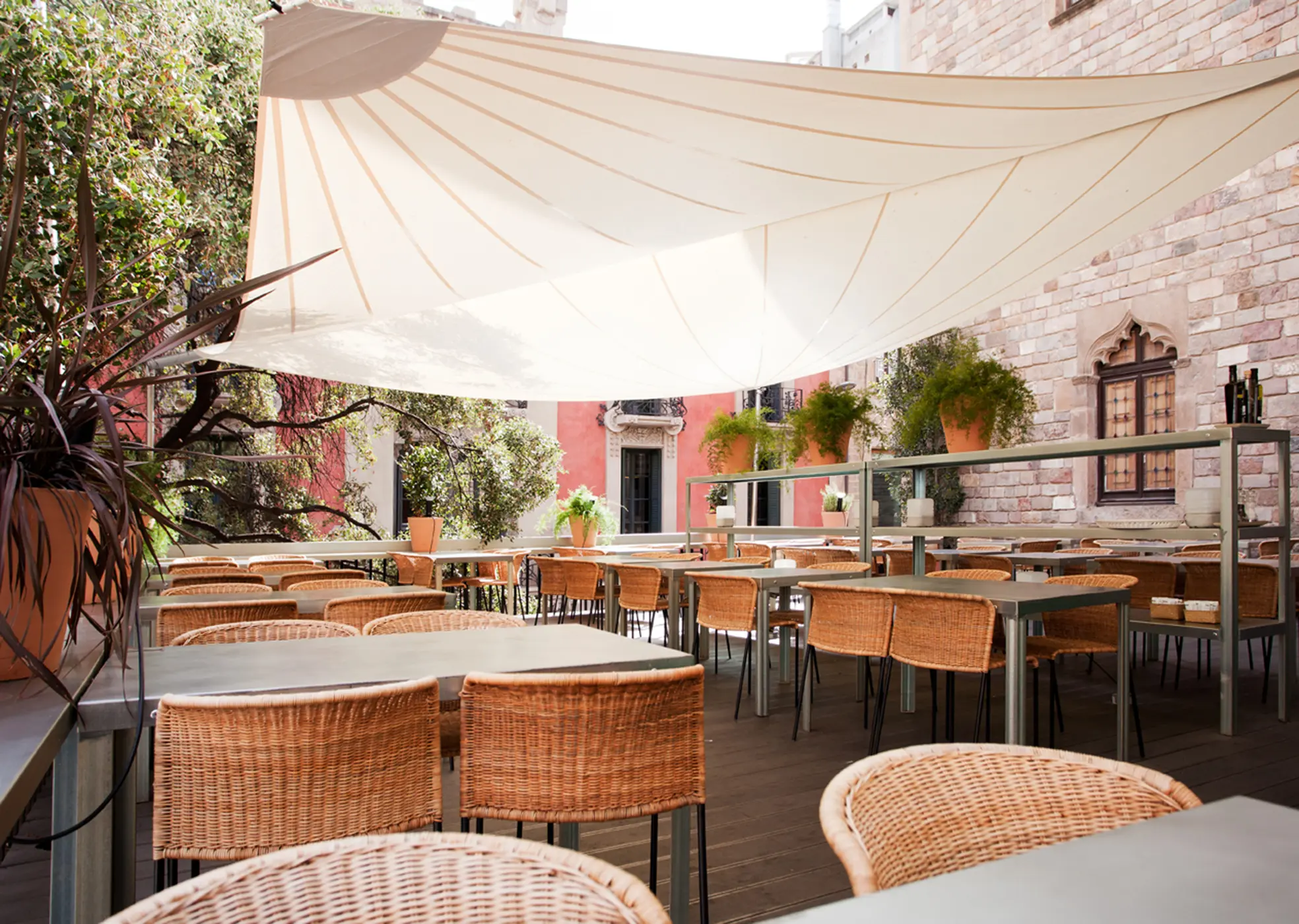
The Santa Lucia chair can be used in both private and commercial interiors, either at the dining or kitchen table at home or as a chair in restaurants and cafés. Since 2009, the chair has also been available in an outdoor version made from low-maintenance plastic polyethylene fiber. And, of course, there are also matching cushions.
This product belongs to collection:


Specifications



Variants
2
You can visit the product page for these variants—just click on them!


Design files
6
Distributors
Designers

Herbert Hirche
Germany
Herbert Hirche, born in Görlitz in 1910, studied cabinet making at the Bauhaus in Dessau and Berlin from 1930 to 1933, including studying under Ludwig Mies van der Rohe, at whose office he worked until 1938. Collaboration with Egon Eiermann and Hans Schauron was followed by appointment as Professor at the Hochschule für angewandte Kunst, Berlin-Weißensee, and in 1952 at the Staatliche Akademie für Bildende Künste, Stuttgart. As its Rector, as founding member of the Deutscher Werkbund Berlin, as President of the Verband Deutscher Industriedesigner (VDID), and as member of the German Design Council, Hirche was one of the formative German designers of the post-war period until his death in 2002. In addition to many furniture ranges, for example the 480 range which was shown as the World Exposition in Brussels in 1958, he designed an administration building for Wilkhahn (1960).


