
Share
1/14
About this product
Architonic ID: 20281856
SKU: 945867
Year of Launch: 2017
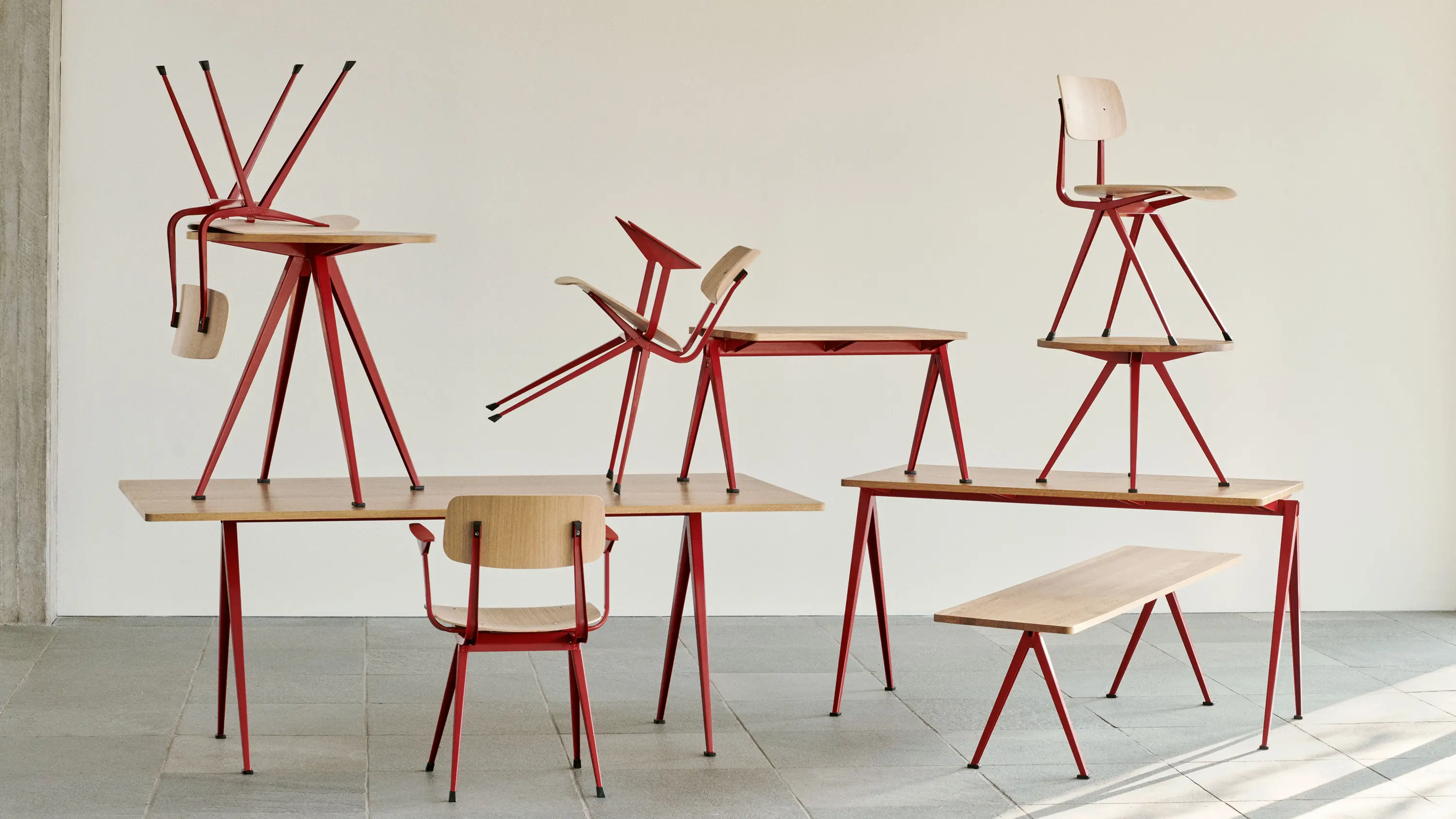
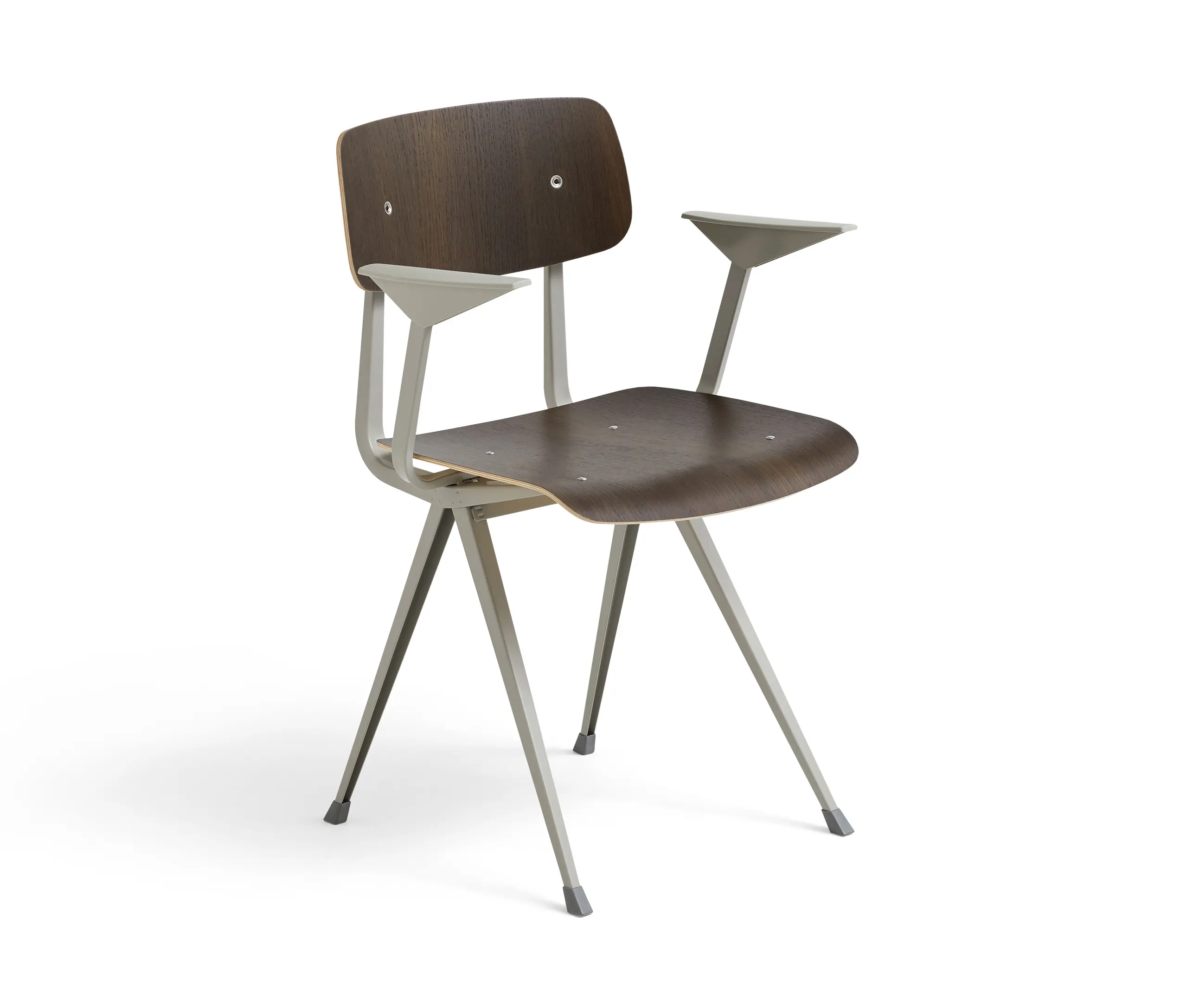
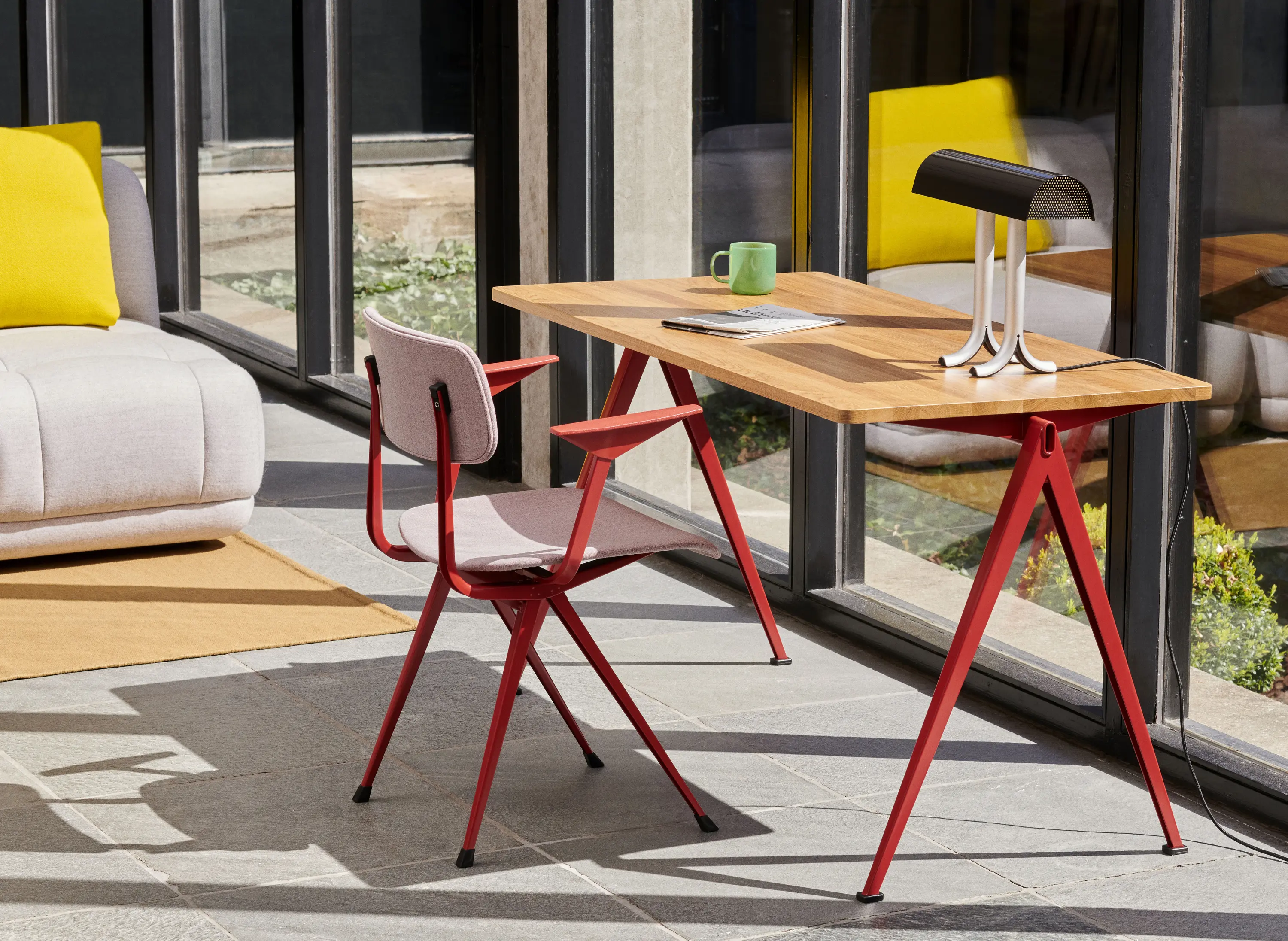
The Result Chair features a thin steel-sheet base with an oak seat and backrest, retaining maximum flexibility, lightness and strength. Originally created by Friso Kramer and Wim Rietveld while working at Ahrend in the 1950s, the cutout steel collection has been relaunched by HAY together with Ahrend. Available in a variety of wood finishes and base colours, with a wide range of textiles and leather options for the seat. Result’s strength and versatility makes it suitable for use in many public and private contexts.
DIMENSIONS
Result Armchair
W55 x L48,5 x H81, seat height 46, seat depth 42,5 cm | W21.75” x L19 x H32”, seat height 18”, seat depth 16.75”
Result Armchair Seat Upholstery
W55 x L48,5 x H81, seat height 46, seat depth 42,5 cm | W21.75” x L19 x H32”, seat height 18”, seat depth 16.75”
Result Armchair Full Upholstery
W55 x L48,5 x H81, seat height 46, seat depth 42,5 cm | W21.75” x L19 x H32”, seat height 18”, seat depth 16.75”
Concept
The Result Chair features a thin steel-sheet base with an oak seat and backrest, retaining maximum flexibility, lightness and strength. Originally created by Friso Kramer and Wim Rietveld while working at Ahrend in the 1950s, the cutout steel collection has been relaunched by HAY together with Ahrend. Available in a variety of wood finishes and base colours, with a wide range of textiles and leather options for the seat. Result’s strength and versatility makes it suitable for use in many public and private contexts.
This product belongs to collection:

Specifications
Material
Base metal, Metal, Oak, Seat solid wood, Wood
Variants
10
You can visit the product page for these variants—just click on them!


Design files
5
Distributors
Designers

Friso Kramer
Netherlands
Friso Kramer, born in Amsterdam in 1922. After graduating from the Rietveld Academy of Applied Arts, Amsterdam, he worked as a designer for Cirkel, a steel furniture manufacturer, from 1948 to 1963. In 1963 he became a co-founder of the acclaimed Total Design Group. Later on he was a guest lecturer at the Royal Academy of Art in Den Haag. From 1971 to 1983 he was Art Director and a Member of the Board of the Ahrend Group and member of the jury for many international design competitions. In addition to the famous 120 bench system that is still in use in many underground stations today, he designed a chair in glass fibre-reinforced polyester with a solid wood frame and an upholstered glass fibre-reinforced chair for Wilkhahn in 1967.