How to size the optimal kitchen island
Five comprehensive tips to arrive at the ideal dimensions for a workable – and aesthetically harmonious – culinary architecture.

By Claire Brodka
June 20, 2025 | 12:00 am CUT
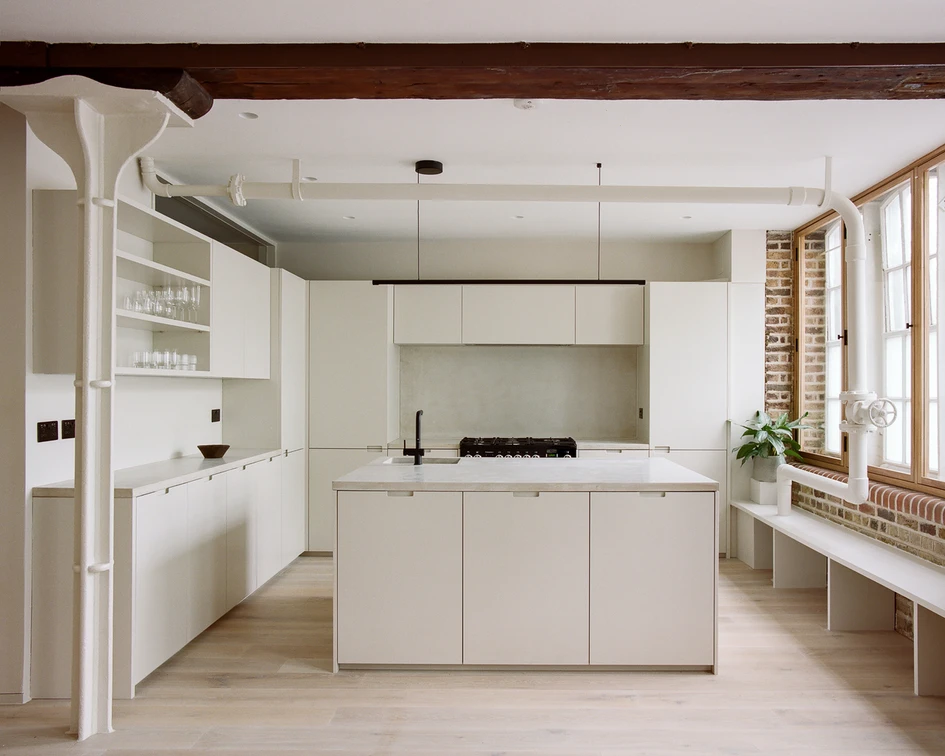
NAN Residence / FOF Studio. Photo: Biel Moreno
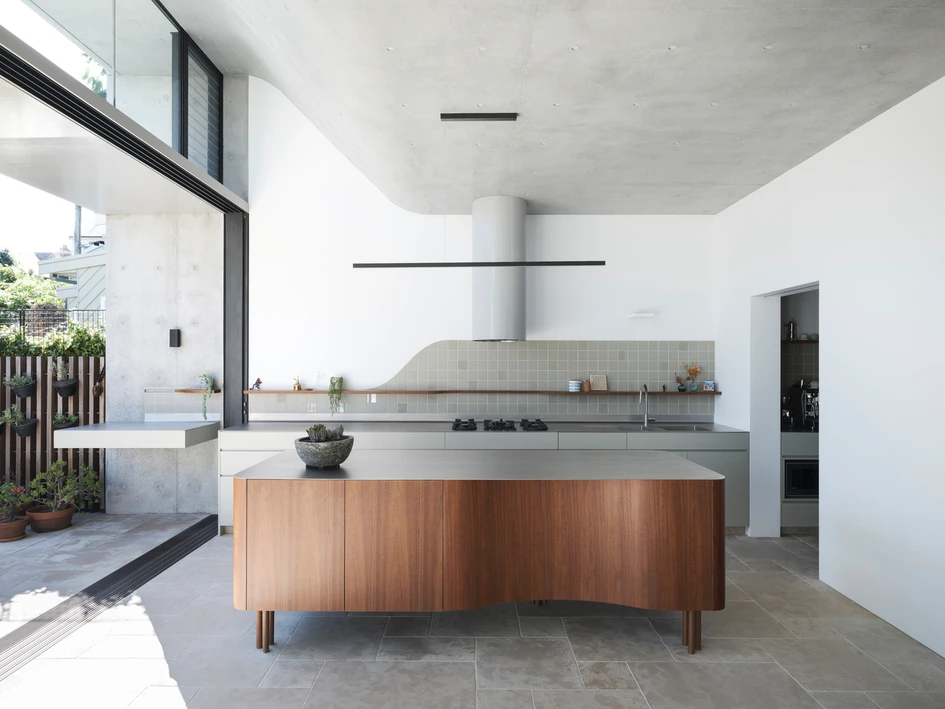
Hidden Garden House / Sam Crawford Architects. Photo: Tom Ferguson
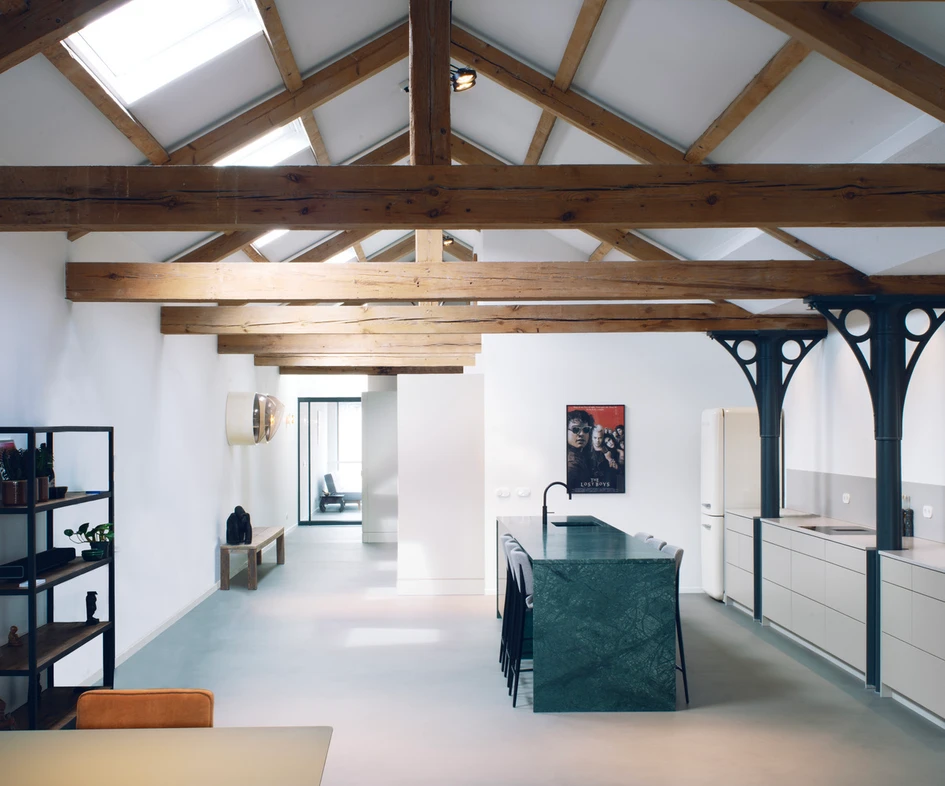
Geschutswerf Apartment / Studio Appelo. Photo: Peter Mann
Optimise spatial assessment and clearance
A necessary first step lies in assessing the spatial dynamics of the available kitchen. Measure the length and width of the room to determine the maximum feasible dimensions for an appropriate island, which should take up no more than 10% of the overall square footage.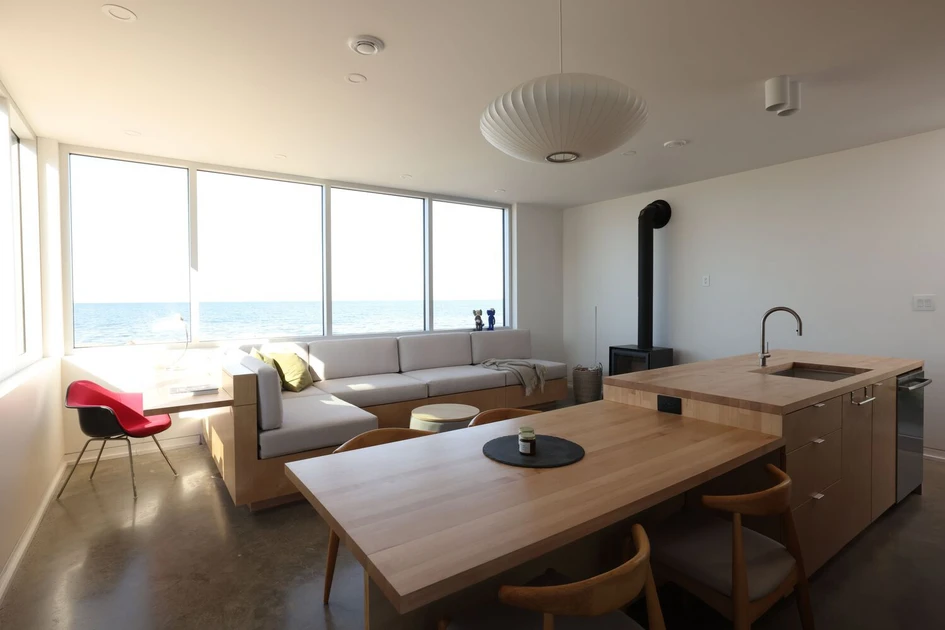
The Sandbox / Peter Braithwaite Studio. Photo: Ema Peter
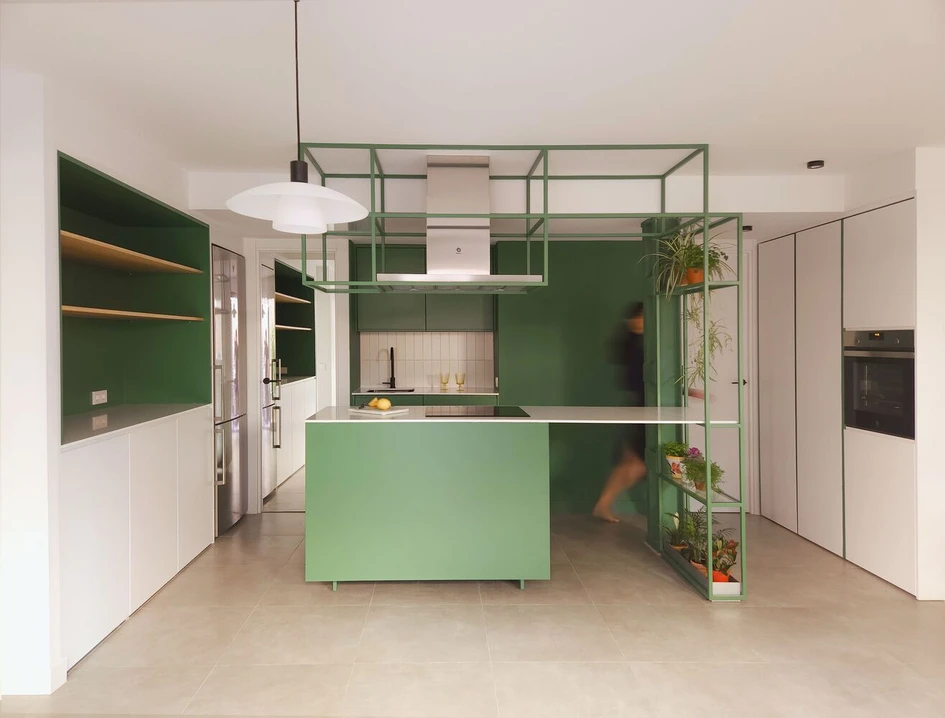
House J29 Renovation / SUAV. Photo: SUAV
Consider functionality and culinary habits
Second, the size of a kitchen island needs to align with its primary functions and users' culinary and hosting habits. For kitchens serving as bustling hubs for culinary exploration and social gatherings, a spacious island capable of accommodating multiple tasks concurrently is ideal. Conversely, in more compact spaces, a smaller island with integrated storage can provide functionality without overwhelming the area.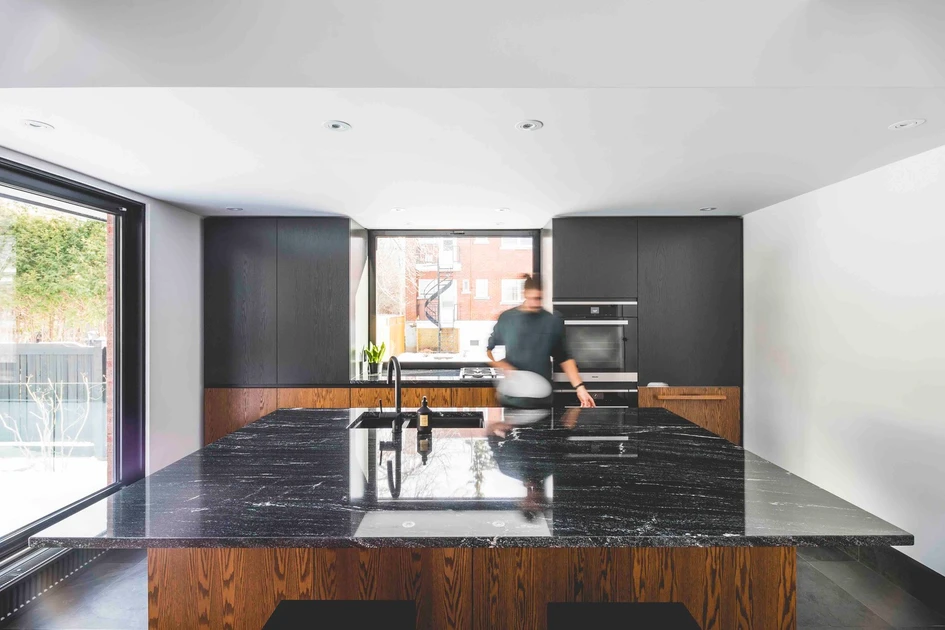
La Cardinale / L. McComber. Photo: Raphaël Thibodeau
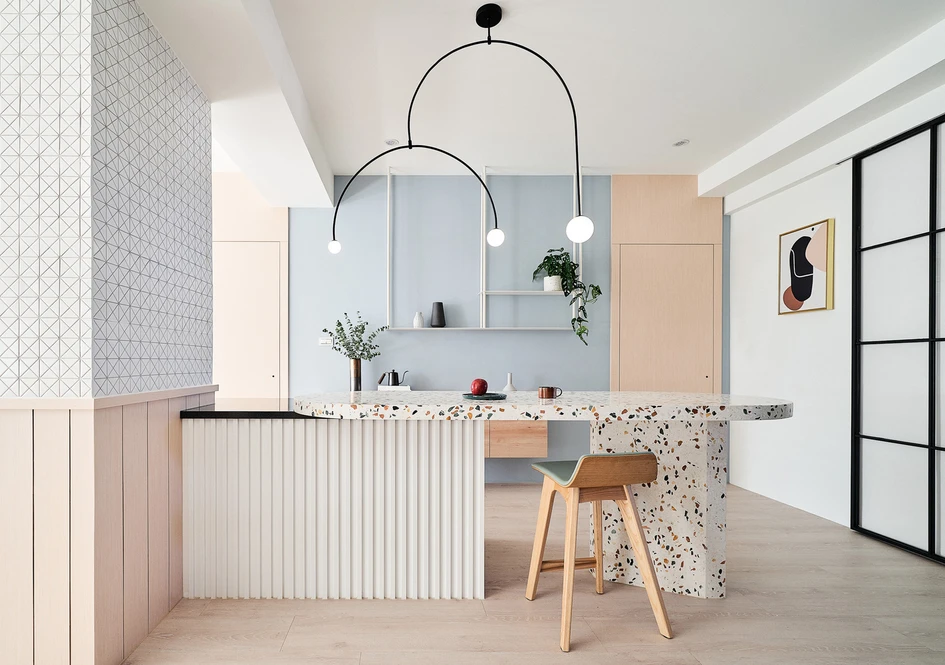
Ne_On Apartment / NestSpace Design. Photo: Hey!Cheese
Increase ergonomics and accessibility
Ergonomics also play a vital role in determining island size and crafting an efficient kitchen layout. A well-proportioned kitchen island can significantly improve efficiency by minimising unnecessary movement and creating a centralised space where ingredients, utensils and appliances are readily accessible.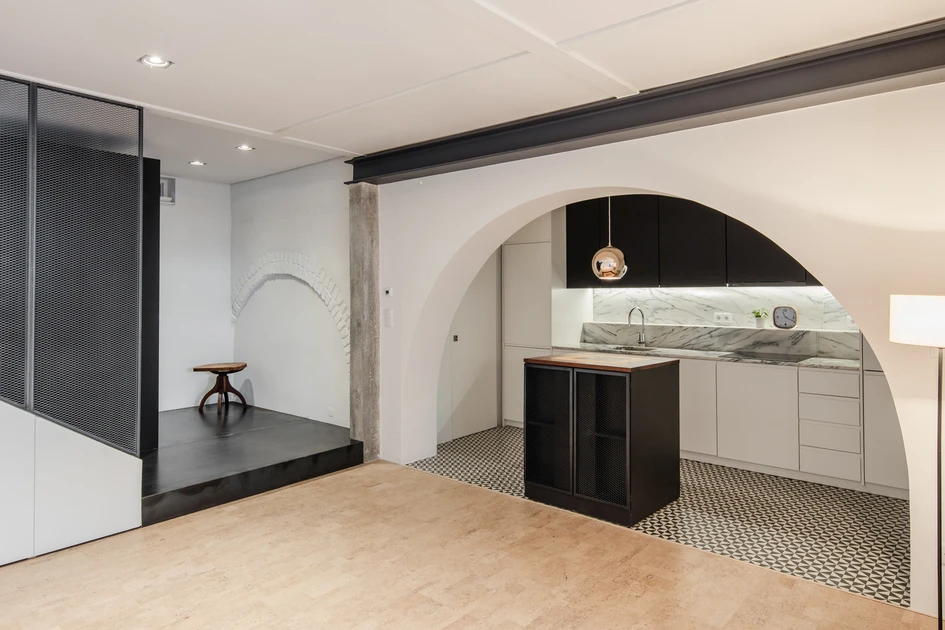
Rua Maria Loft / KEMA studio. Photo: João Morgado
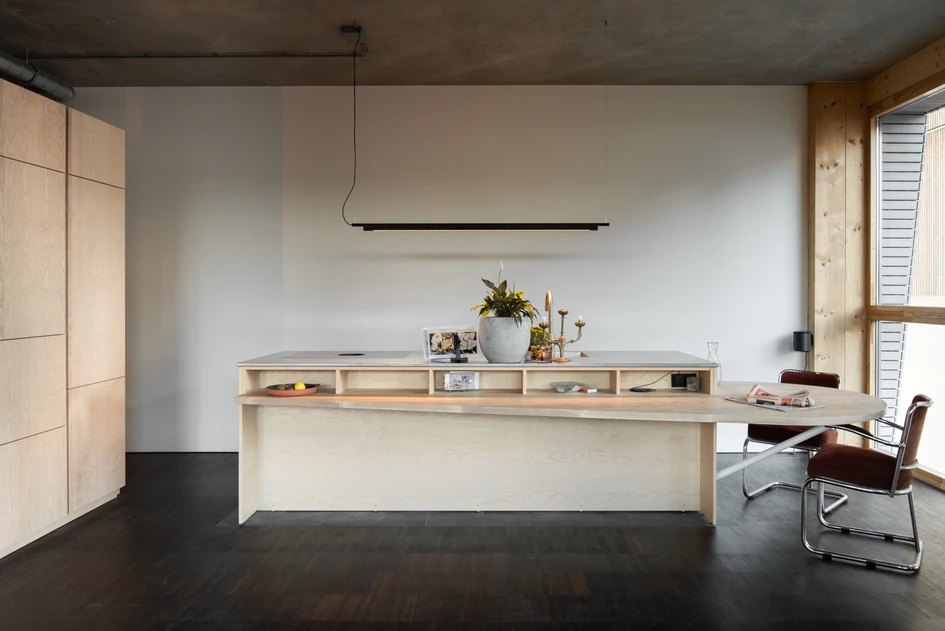
His Loft / Kevin Veenhuizen Architects. Photo: MWA Hart Nibbrig
Harmonise design and scale
A correctly proportioned island enhances visual balance and harmony, complementing the surrounding cabinetry, countertops and architectural elements. It can serve as a striking focal point – with contrasting colours, materials or finishes – or seamlessly integrate into the kitchen's design, enhancing its overall aesthetic appeal and value.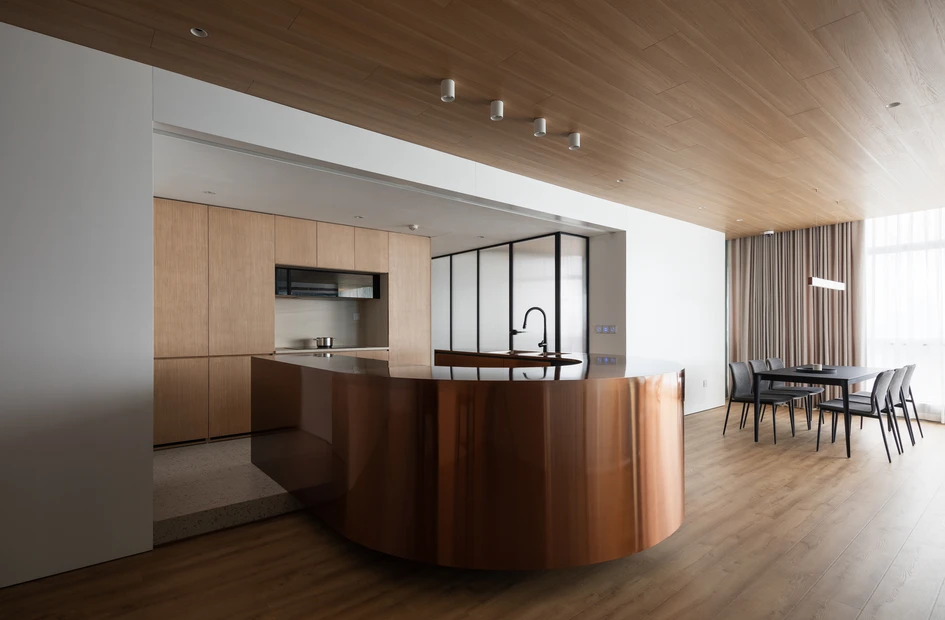
2415 EW Apartment / DaoHo Studio. Photo: Nguyen Thai Thach
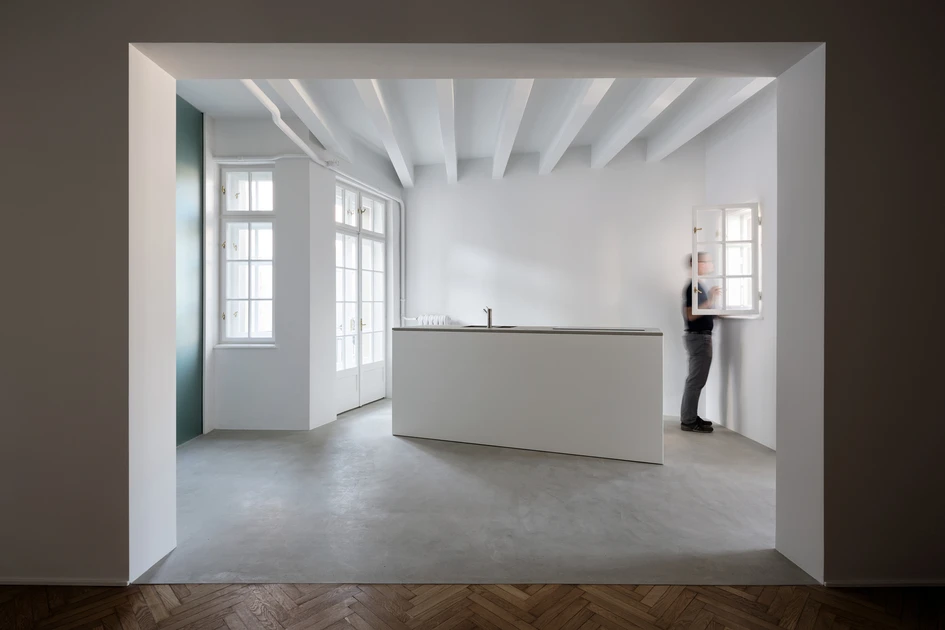
Reconstruction of Apartment in Makedonska Street / Riste Dobrijevic. Photo: Relja Ivanic
Embrace customisation and innovation
Lastly, well-sized custom builds and innovative design concepts can infuse personality and surprising functionality into kitchen islands. Depending on the spatial layout of the culinary architecture at hand – and still keeping in mind the 10% rule of island proportion – unconventional shapes such as L-shaped, curved or round elements can optimise space utilisation and foster dynamic interaction.Project Gallery