Basic instinct: rural getaways
The pandemic has forced many holidaymakers to eschew foreign travel this year, but it has also allowed for the discovery of new, rustic architectural gems a little closer to home.

août 17, 2021 | 10:00 pm CUT
Despite the pandemic's undeniable effect on mass international travel and tourism, many in the hospitality industry have tried bucking the trend by offering rustic, rural retreats to domestic and regional tourists. Teaming up with architects, these new hotels are characterised by a respect for the landscape in which they sit, and often use traditional building techniques to create a sense of calm and tranquillity and a back-to-basics atmosphere. These intimate settings are full of character and aim to refine the concept of the simple life.
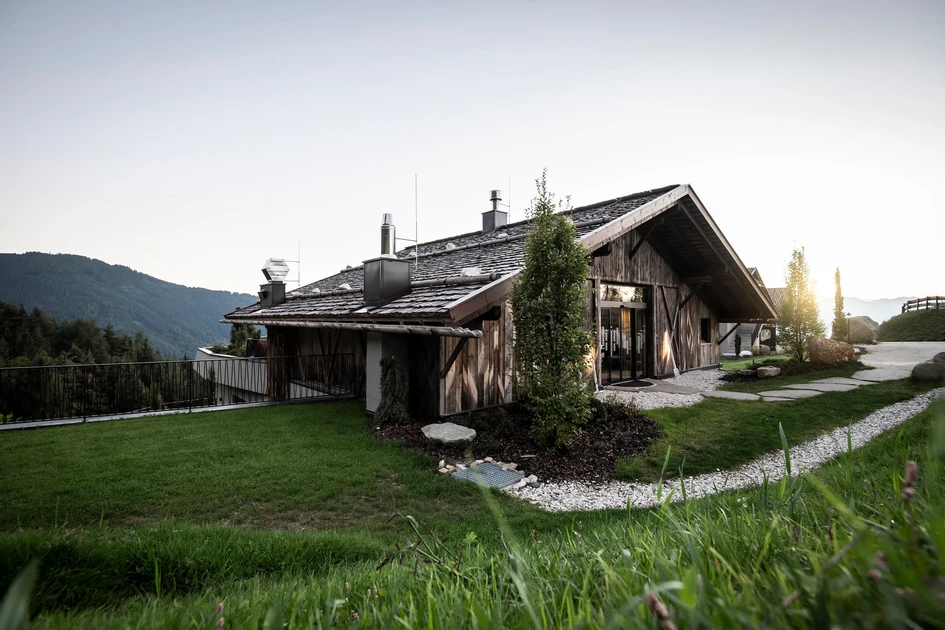
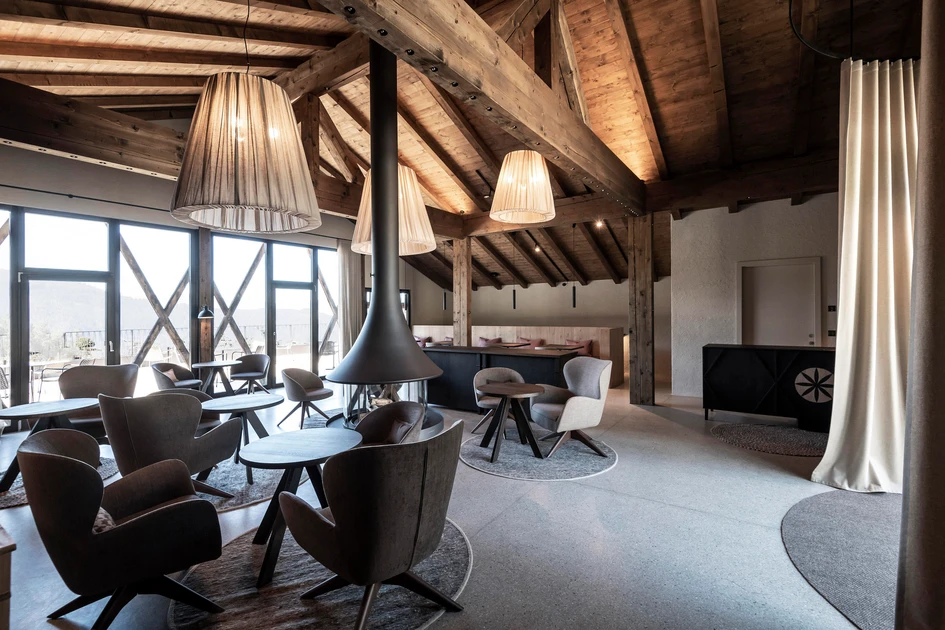
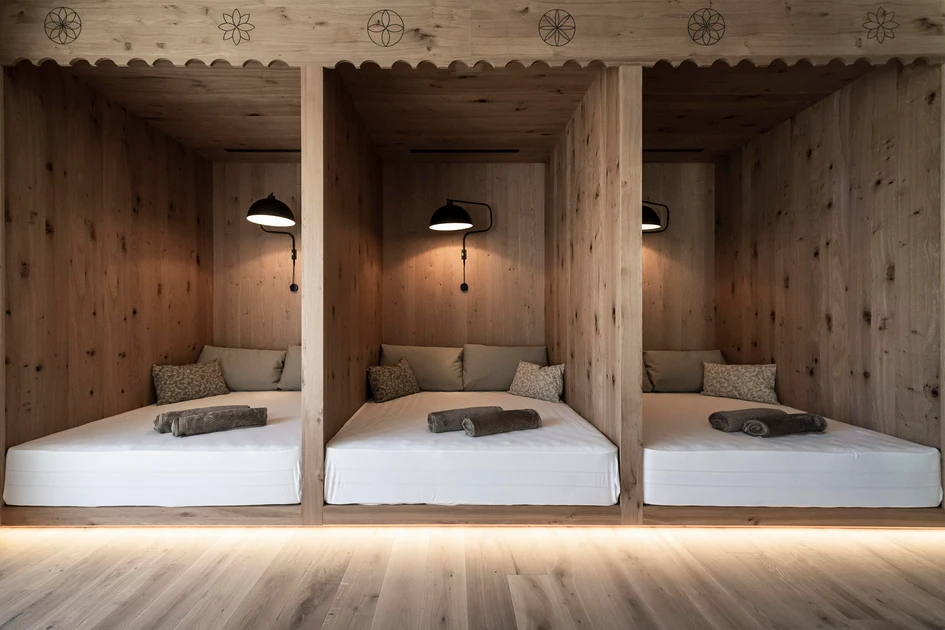
In South Tyrol, Italy, noa* network of architecture has repurposed an old farmstead into the Gfell hotel. The architects retained the rustic original buildings completely intact, and refurbished the adjacent wooden barn to accommodate a restaurant with panoramic views of the Alps. In order to preserve the structure's original aspect, the architects have inserted guest rooms and a new wellness suite into the hillside, giving each space its own terrace overlooking the unspoilt mountain landscapes. Simple and elegant wooden furniture and panelling highlight the hotel's rural locale.
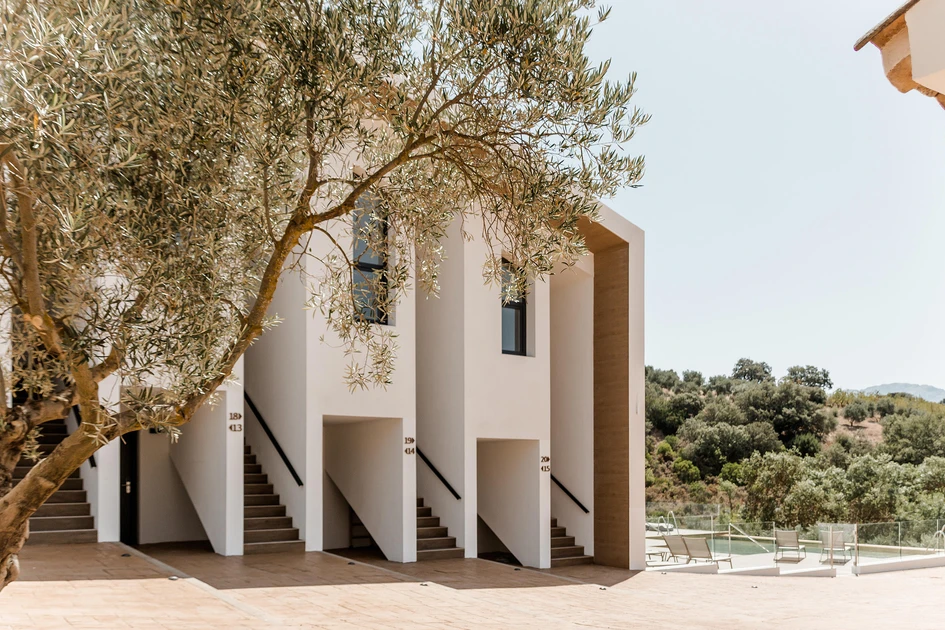
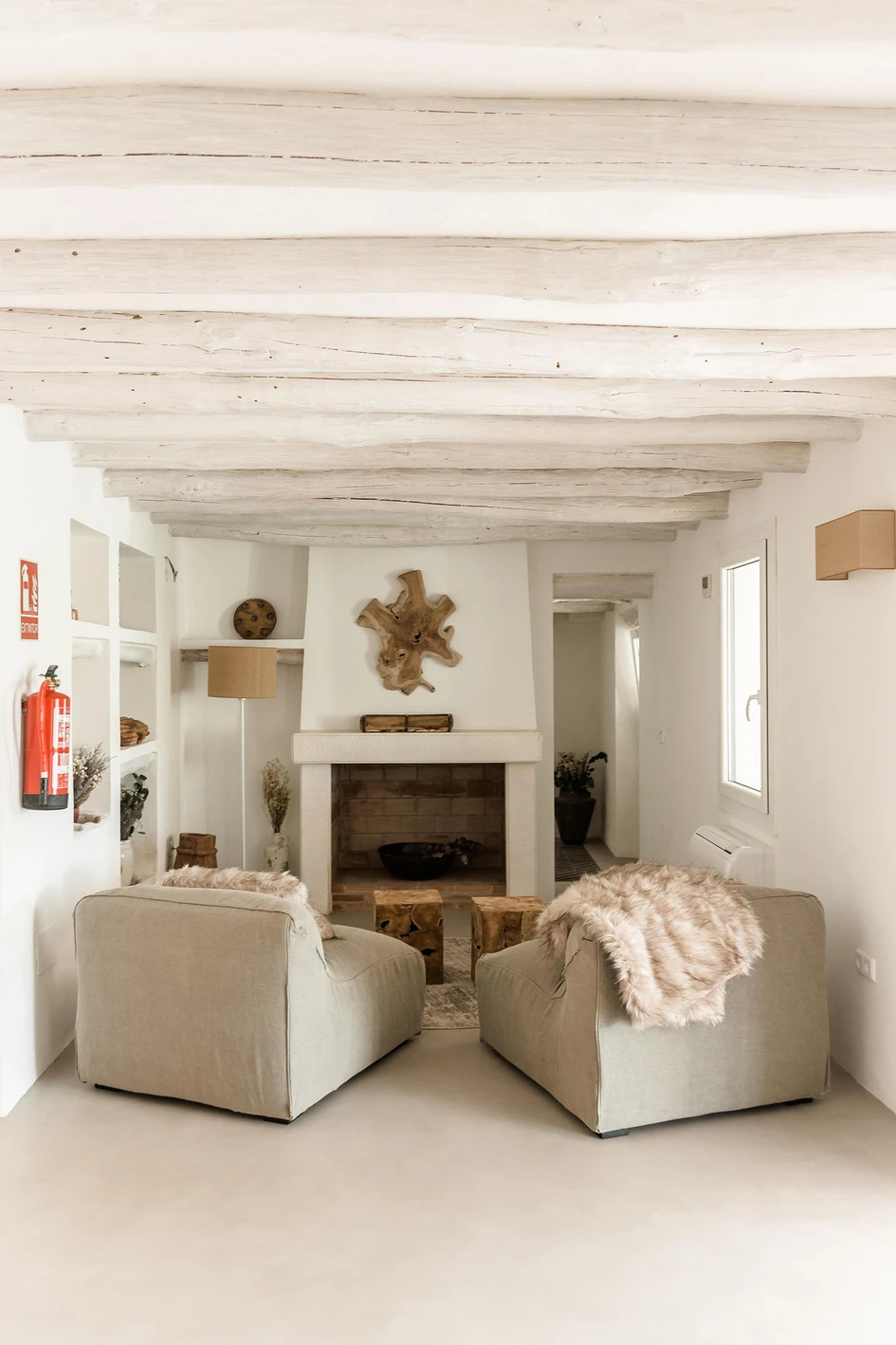
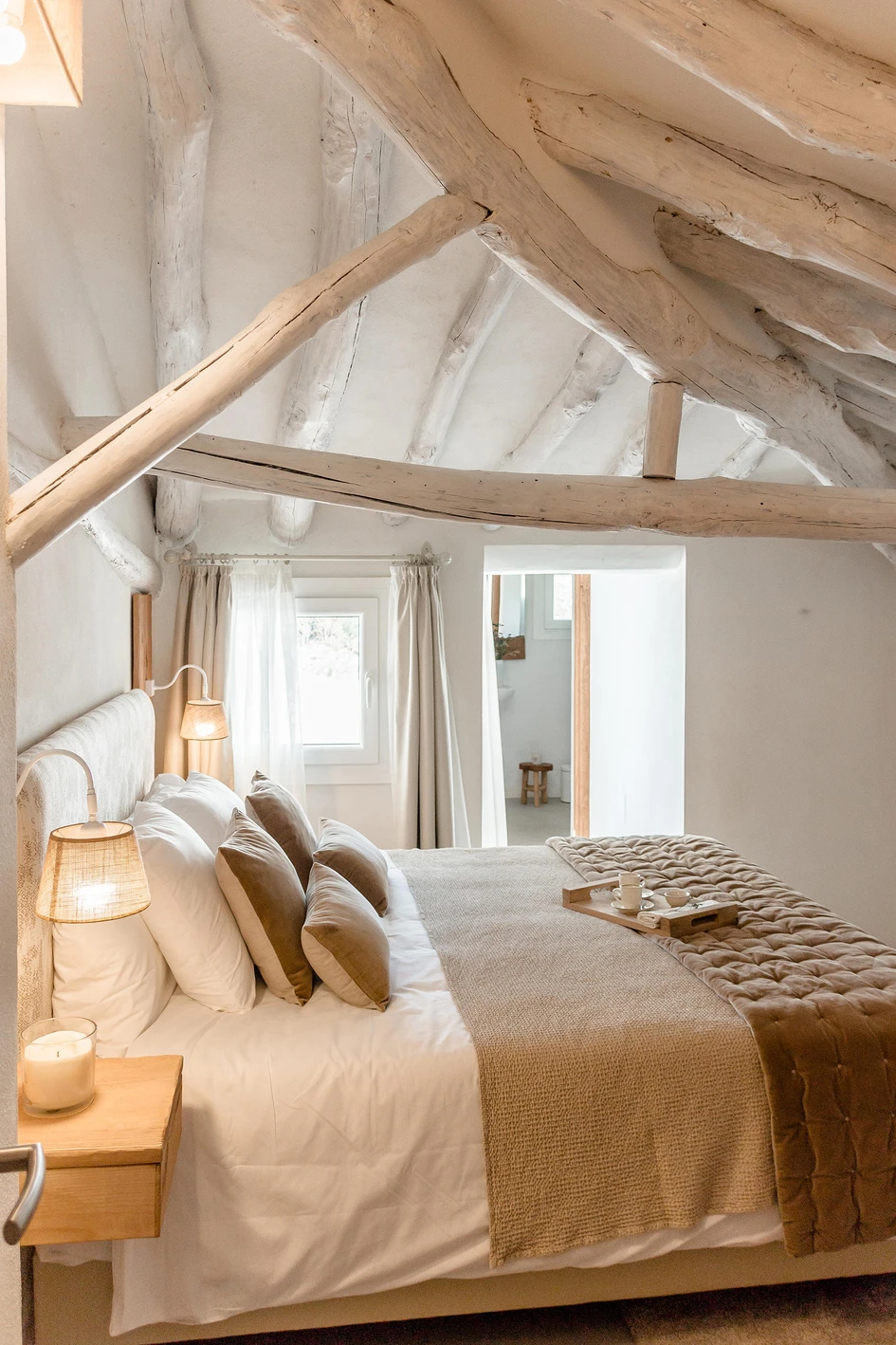
A similar challenge faced GANA Arquitectura in southern Spain. Renovating a traditional cortijo (cottage) into a rural hotel in an olive grove and keeping its distinct timber trusses and beams in place, the architects also added a simple, standalone, two-storey structure containing 10 additional rooms. Shaped like a traditional barn and following the gentle slope of the land, the new building creates a striking contrast with the more elaborate roofline of the older dwelling. Traditional whitewashed interiors and exteriors as well as simple landscaping, including a swimming pool, create a unifying focal point for this pared-back rustic scheme.
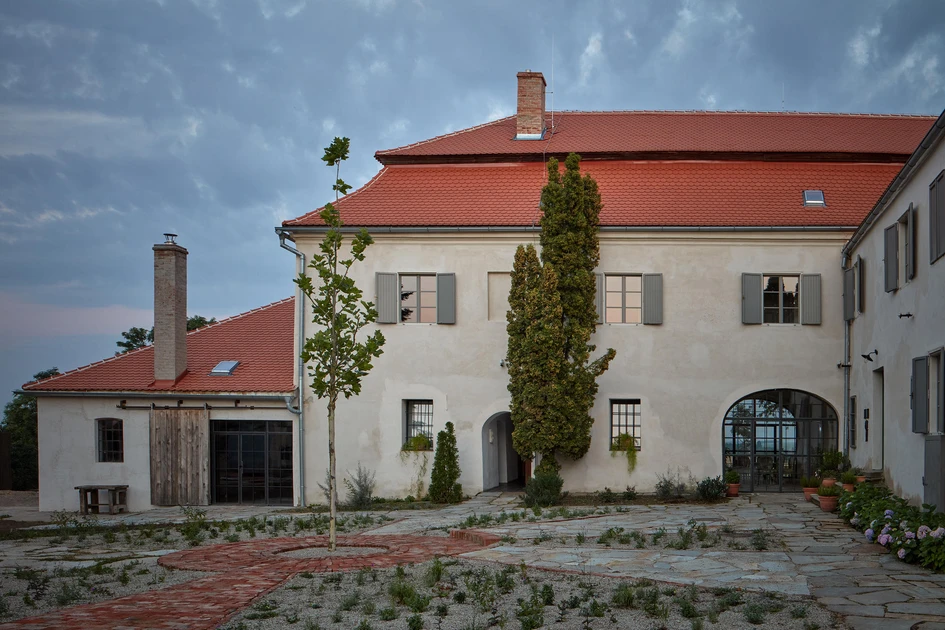
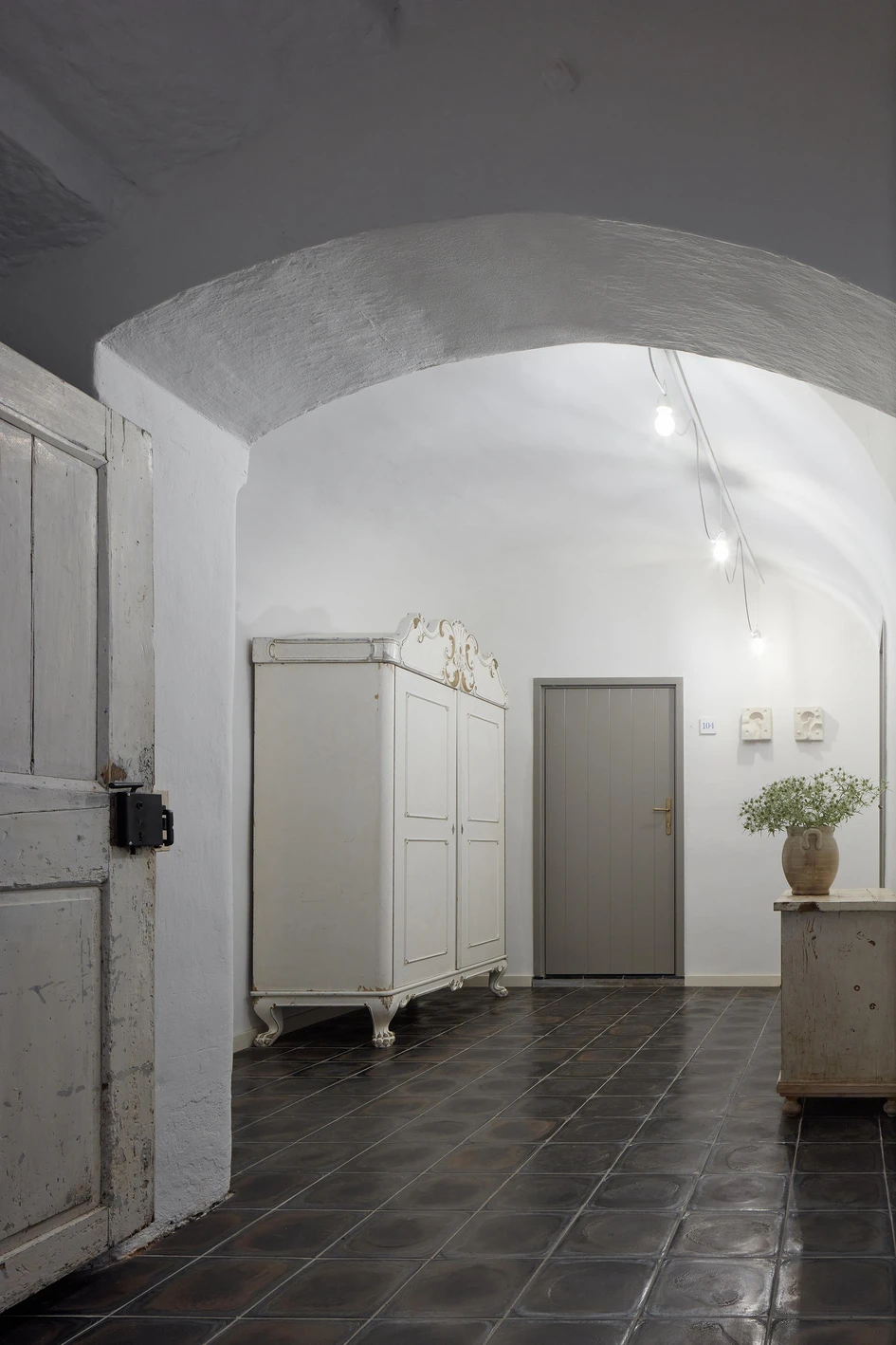
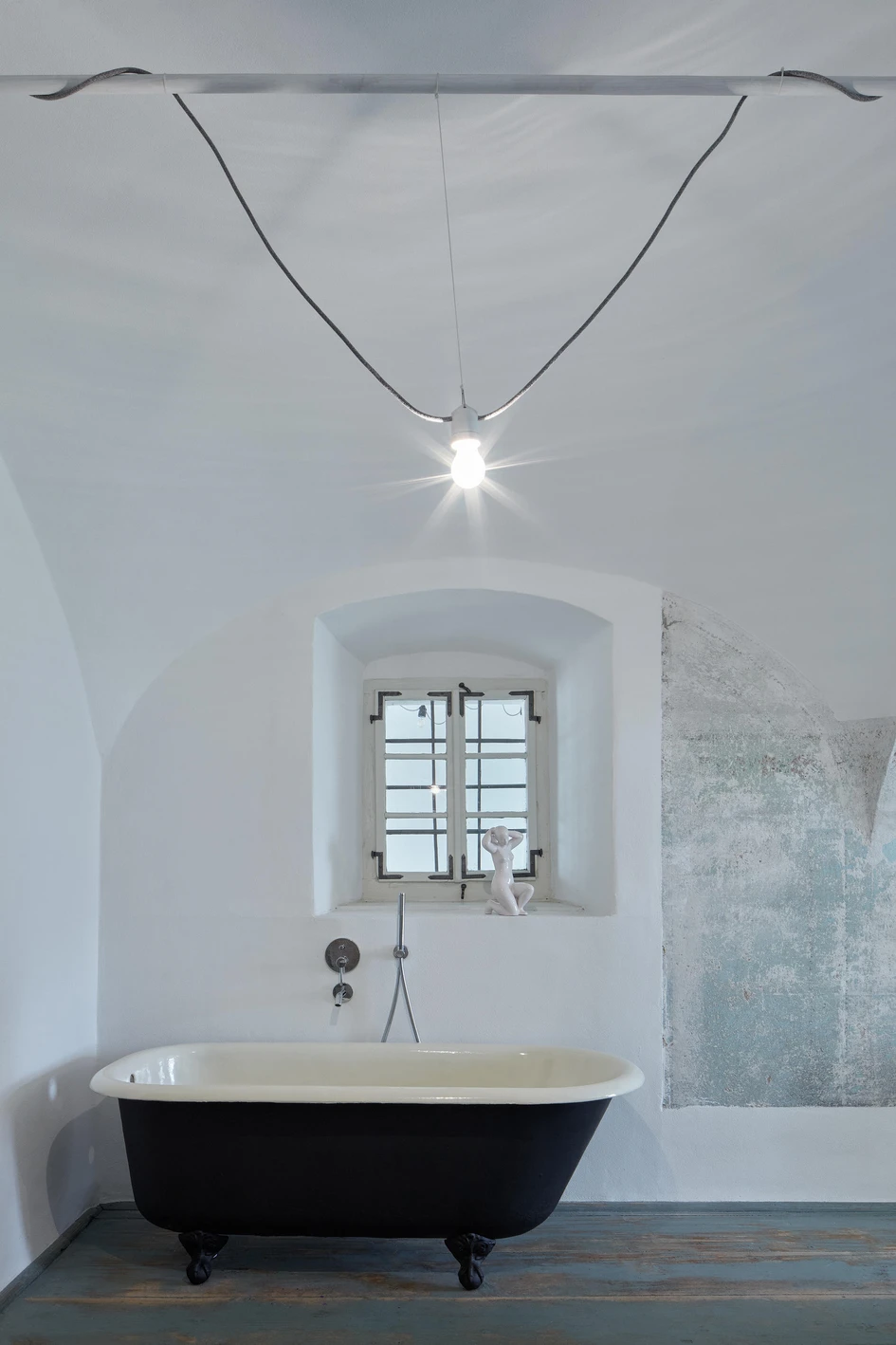
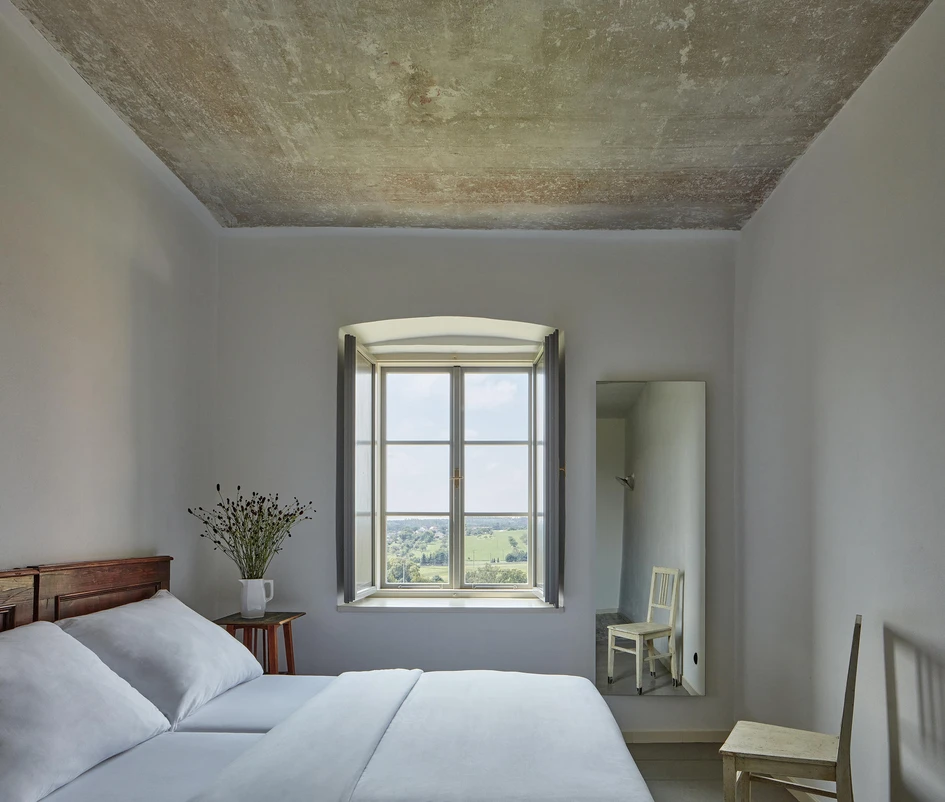
But adding a new structure is not always necessary. In the village of Kravsko in the south-east of the Czech Republic, local practice ORA have renovated an old coach inn-turned-factory into a rural hotel called Kocanda. On the outside, the architects have decided for a light-touch restoration of the plaster, giving the building a weathered, yet traditional look. The inside is a pared-back collage of largely whitewashed walls, basalt and cement floor tiles, time-worn, exposed frescoes and antique furniture. Old gypsum moulds that were used in the production of ceramics on the site are hung on the walls as works of art, reminding visitors of the building's previous purpose.
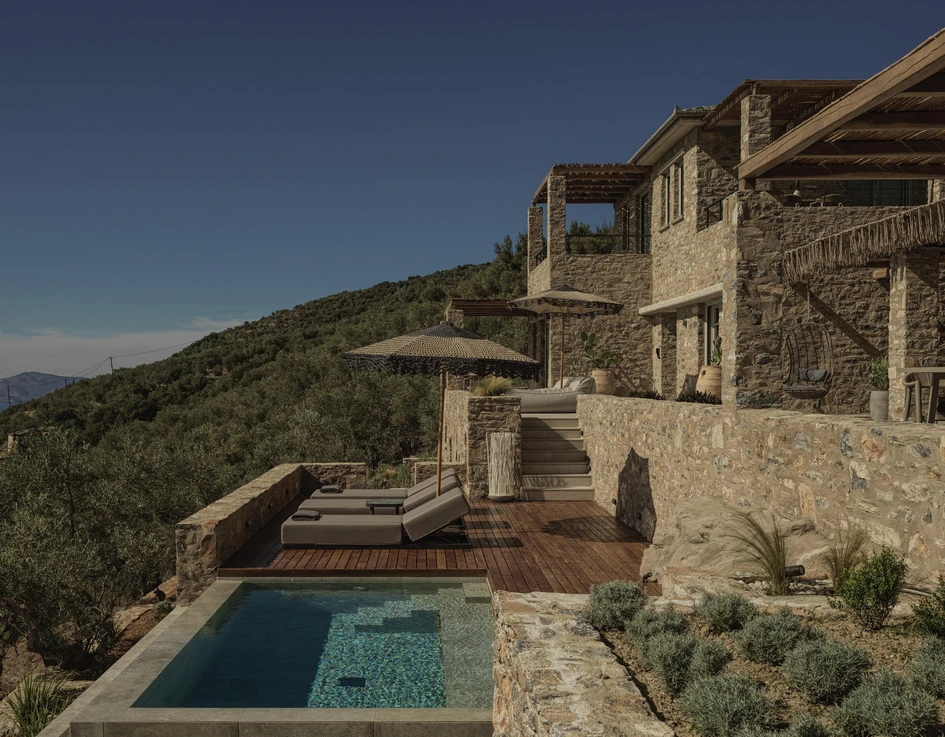
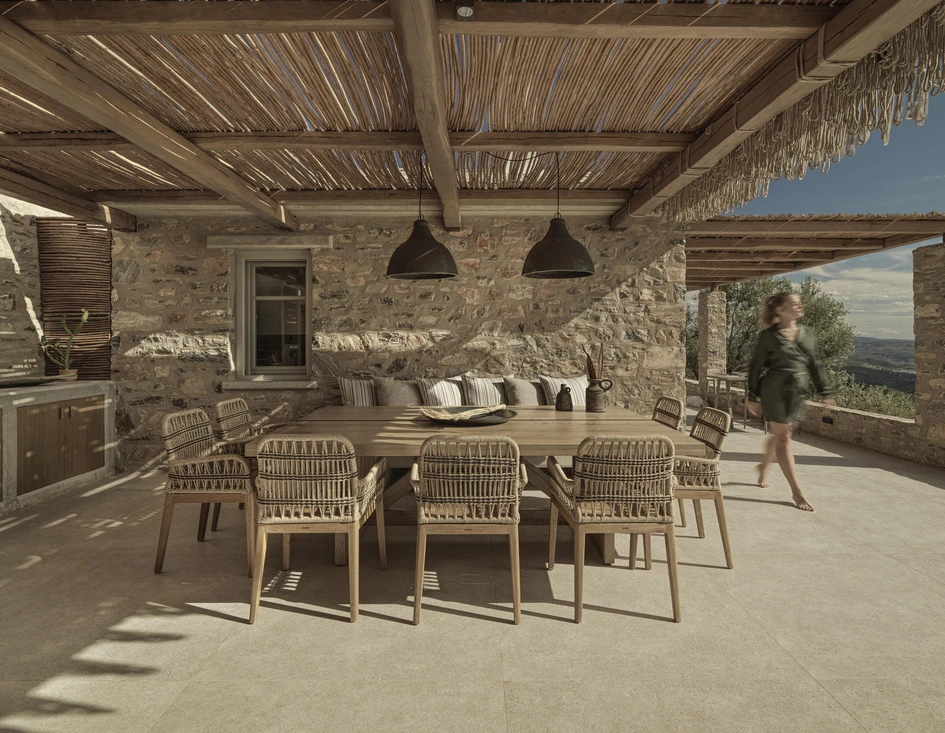
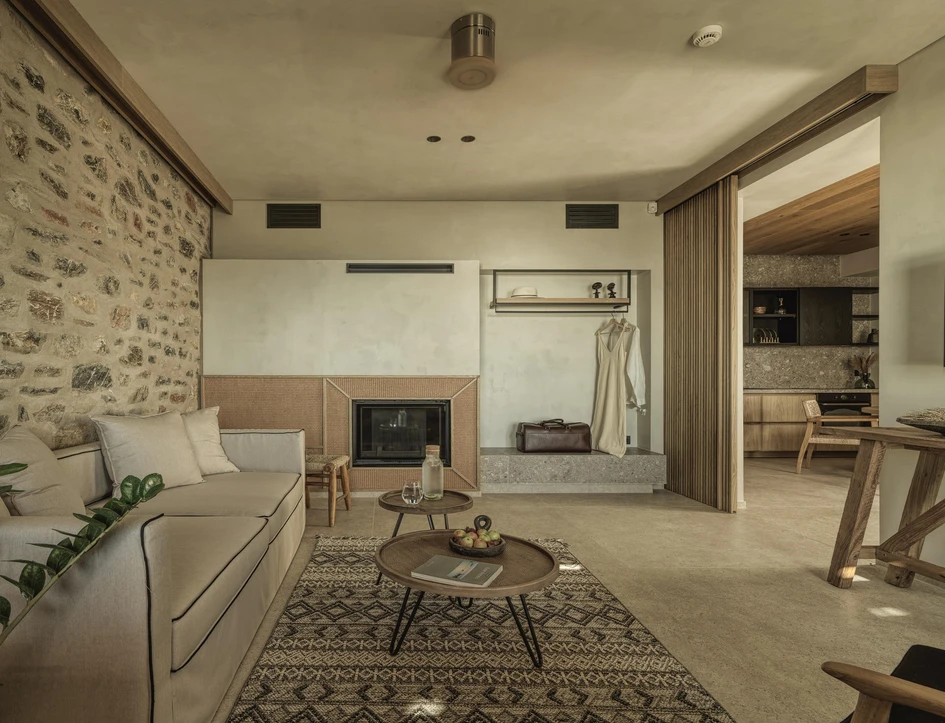
In some cases, newly built structures can be equally respectful of their context, such as in Peliva Nature & Suites in mainland Greece. Built on a hilly peninsula overlooking the Pagasetic Gulf, this new rural hotel designed by G2lab is built using traditional stone masonry and a timber truss roof. Natural materials and earthy tones unite the building's rustic interior and exterior, while reed mats atop the hotel's pergolas create dappled shaded terraces offering panoramic views of the surrounding mountains, olive groves and the sea.
© Architonic
Galerie de projets