Condividere
Stampa

Condividere
Stampa
Munkegaard
Architonic ID: 20119909
SKU: 90167-5742580281-01
Anno di Lancio: 2014
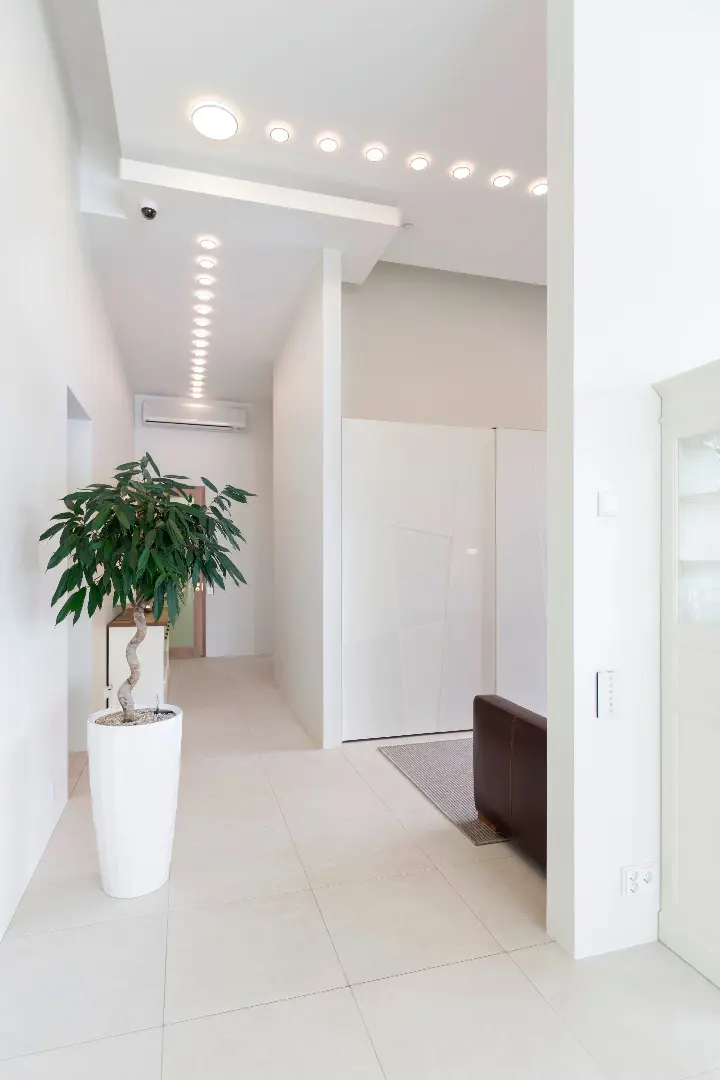
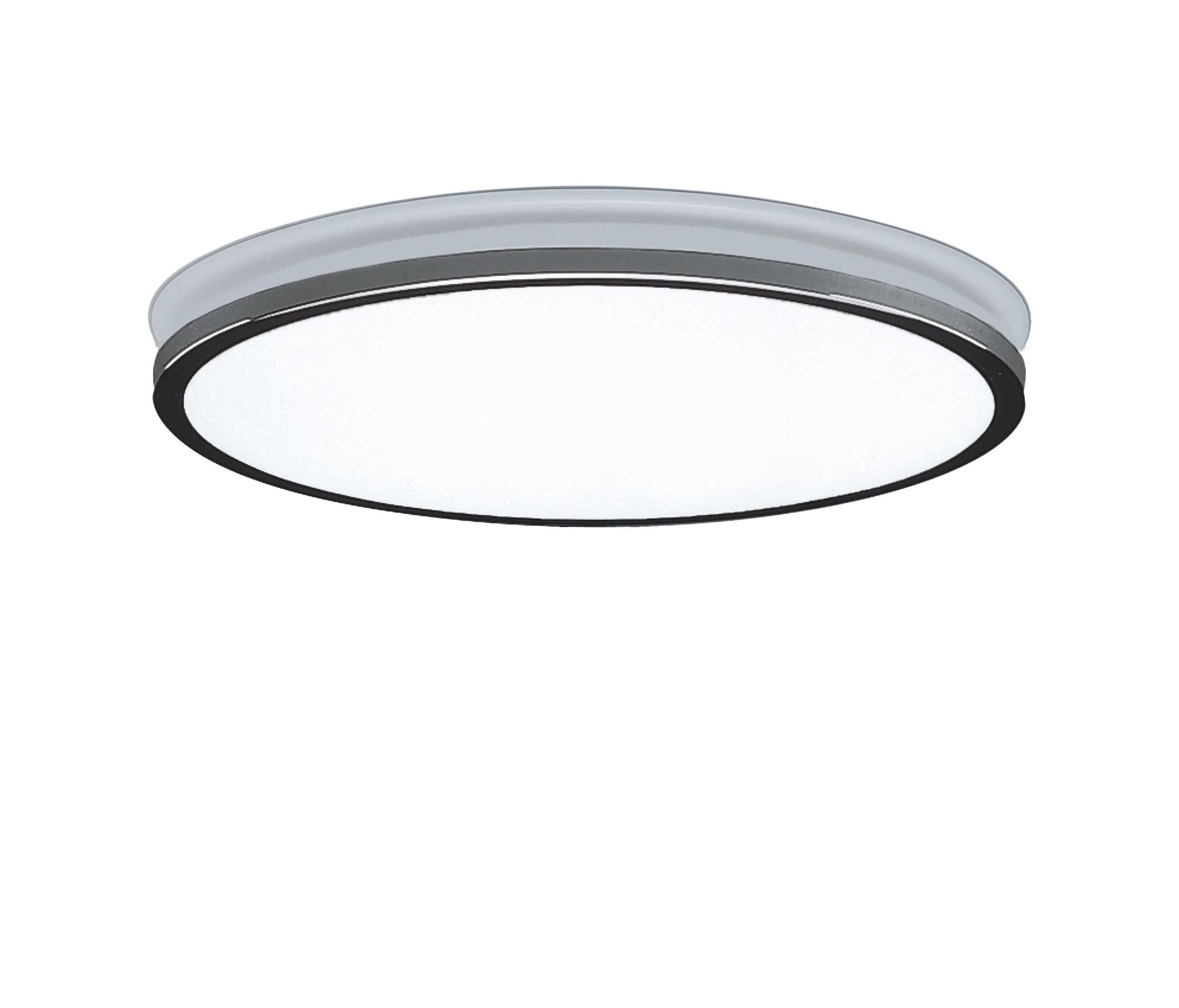
L’apparecchio assomiglia a un disco che galleggia appena sotto il soffitto. L’impressione è creata principalmente dall’apertura illuminata e dalla posizione pensile dell’apparecchio sotto la superficie di montaggio. Il diffusore in vetro doppio strato ed acrilico offre un´illuminazione morbida e uniforme. L’apparecchio conferisce un’illusione di maggiore altezza della stanza.
Colori disponibili: Satin Chrome Plated, High Lustre Chrome Plated
Dimensioni
Lunghezza: 460mm
Altezza: 30mm
Larghezza: 460mm
Sorgente luminosa: Sul nostro sito Web è possibile utilizzare il nostro configuratore di prodotto per specificare la sorgente luminosa e il controllo dell'illuminazione.
Concetto
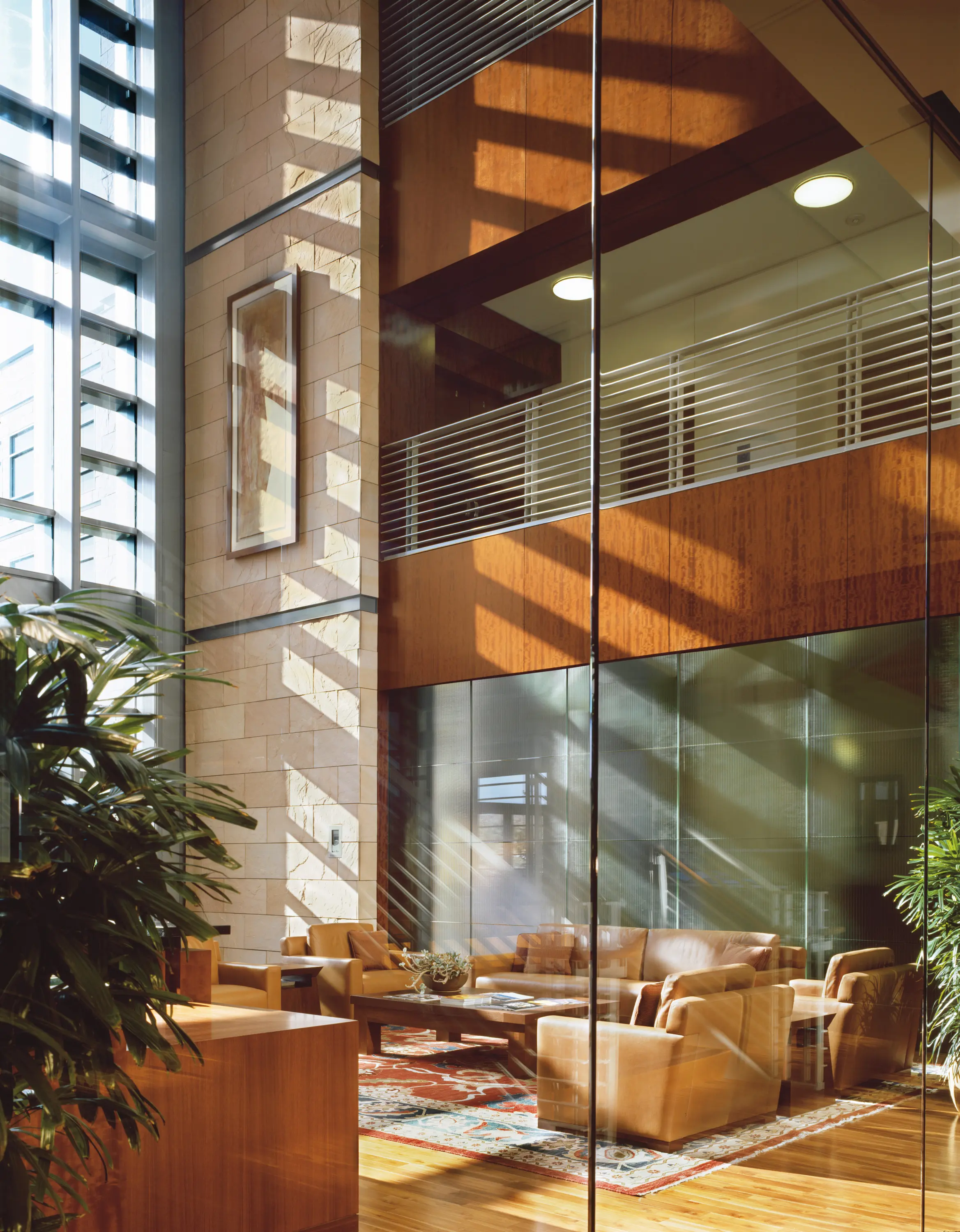
Nel 1955, Arne Jacobsen ha progettato il primo apparecchio da incasso per illuminare il soffitto e uniformare i contrasti. È stato creato per una scuola, la Munkegårdsskolen, a Søborg appena fuori Copenaghen, da cui il nome dell'apparecchio. La Munkegaard è sospesa sotto il soffitto dove sembra librarsi nell’aria quando è accesa. Lo schermo è composto da due strati di vetro e acrilico che forniscono una luce particolarmente uniforme e morbida che fa apparire il soffitto più alto. La Munkegaard è stata caratterizzata in modo distinto da Arne Jacobsen, per il suo aspetto discreto, elegante e senza tempo che anche oggi completa tutti gli ambienti architettonici.
Questo prodotto appartiene alla collezione:
Vetro, Metallo
Puoi visitare la pagina del prodotto per queste varianti: basta cliccarci sopra!

Denmark
Arne Jacobsen was one of the most accomplished Danish designers and architects of the 20th century. His distinctly elegant style married the efficiency and clean lines of modernism with sensuous, organic forms found in nature. Biography Arne Jacobsen Arne Jacobsen was born in Copenhagen in 1902. Originally, he began an apprenticeship as a stonemason, but decided instead to study architecture at the Royal Danish Academy of Fine Arts in Copenhagen, which he successfully graduated from in 1927. One of Jacobsen’s first projects was a ‘House of the Future’, with a helicopter landing pad on the roof, which he designed together with Flemming Lassen. He also designed several larger projects, such as the Bellavista housing estate in Klampenborg. In 1942, Arne Jacobsen and Erik Moller won an architectural competition to design the City Hall of Aarhus, working together with the designer Hans J Wegner. Between 1956 and 1960, he worked on the SAS Royal Hotel (now the Radisson Blu Royal Hotel) in Copenhagen. The building was conceived as a total work of art, and the three architects designed every detail, from the Egg Chair and the Swan Chair, which owe their iconic status to their seductive, organic forms, down to the cutlery in the building. In 1956, he became a professor at the Royal Danish Academy of Fine Arts. The Munkegård school in Genofte, the Toms factory in Ballerup, the Danish National Bank and the Sports Hall in Landskrona, were all pioneering works of Scandinavian modernism designed by Jacobsen. Some of Jacobsen’s international projects, such as the school building for Christianeum in Hamburg and the Danish Embassy in London were only completed after his death in 1971. Designs by Arne Jacobsen Jacobsen designed furniture, textiles, cutlery and wallpapers among other things, but his most famous projects are his chairs. His 1952 Ant Chair, together with his later Series 7 Chair became some of the most commercially successful designs ever produced. Jacobsen's work is influenced by the iconic architecture and furniture of Le Corbusier and Ludwig Mies van der Rohe. In his quest for perfection, he was not afraid to investigate new and even radical ideas. He always worked to produce objects industrially, while imbuing them with a certain handmade quality; an approach that became the hallmark of modern Danish design. Jacobsen’s Swan Chair Designed for the lobby and lounge of the SAS Royal Hotel, Jacobsen's Swan Chair of 1956 is deemed by many to be a true turning point in furniture design. Inspired by the bird’s elegant, soaring wings, the innovative design abandons straight lines in favour of sweeping curves and organic forms. The chair's sensuous sculptural qualities and bold colours epitomise the optimism of the 1960s. The Swan Chair was first produced by the Danish manufacturer Fritz Hansen, who continue to produce it to this day. Egg Chair Like the Swan Chair, the Egg Chair was also designed for the SAS Royal Hotel in Copenhagen. The armchair's generous size means it was used to furnish the hotel's lobby. The Egg Chair's restrained form is made seductive by the organic shapes reminiscent of an oval eggshell. Because of its unique, comfortable design, it is one of the most popular chair designs of the 20th century, and continues to be manufactured today by Fritz Hansen. © by Architonic


