The mother of (re)invention: FDB Møbler
Traditional Danish brand FDB Møbler is experiencing a rebirth – stylishly reworking some its furniture classics from the 1950s, 60s and 70s, and giving them a 21st-century twist.


Di FDB Møbler e Bethan Ryder per

FDB Møbler
febbraio 25, 2020 | 11:00 pm CUT
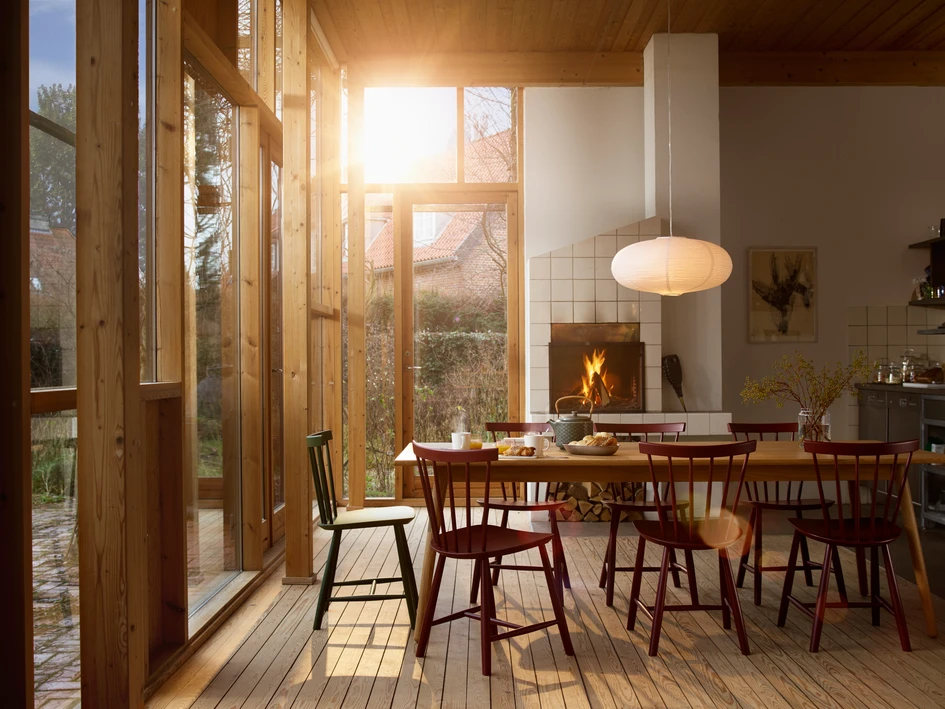
Remixing a classic is never straightforward. A successful cover version of a pop song, although faithful to the original message, will always stray a little in sound, mood, or tempo. The artist moves with the times to lure in a fresh new audience, for the song to become a hit with the next generation. And, so it is with furniture. Reissues of vintage classics will always undergo tweaks and updates, some may be imperceptible to the eye, others more obvious like a fresh new colour. And, even if a design is brand new, to succeed and become universally admired it will often be glancing to the past, drawing upon past tropes for inspiration.
This is something in which Copenhagen-based designer Thomas Alken, founder of Format Design, is well-versed. He was instrumental in the resurrection of Danish furniture company FDB Møbler, working as a design consultant on the 2013 relaunch of the dormant heritage brand originally founded in 1942 by designer Børge Mogensen.
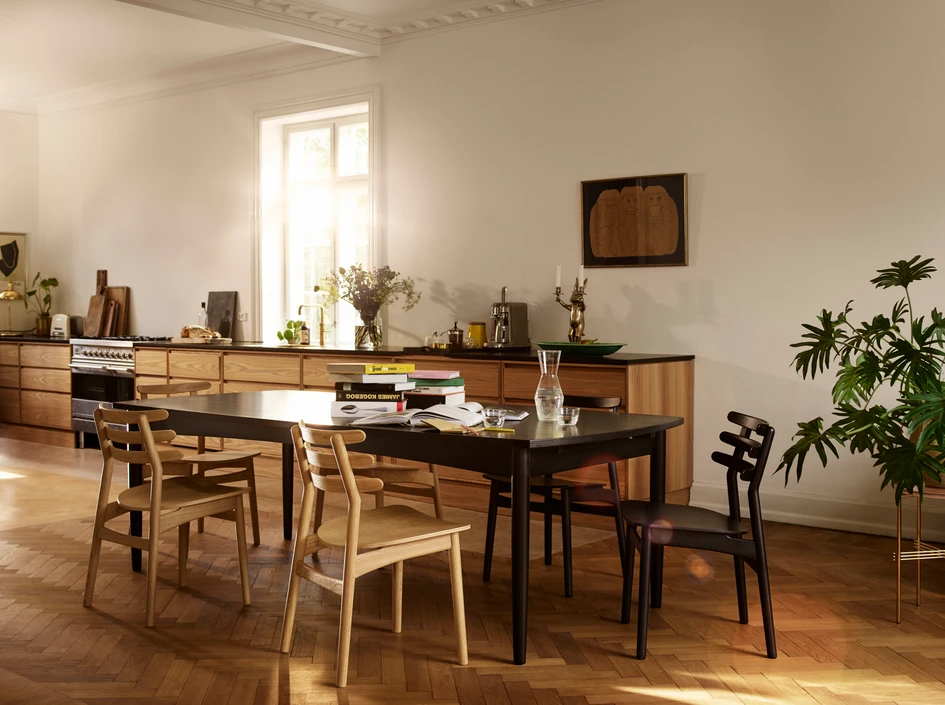
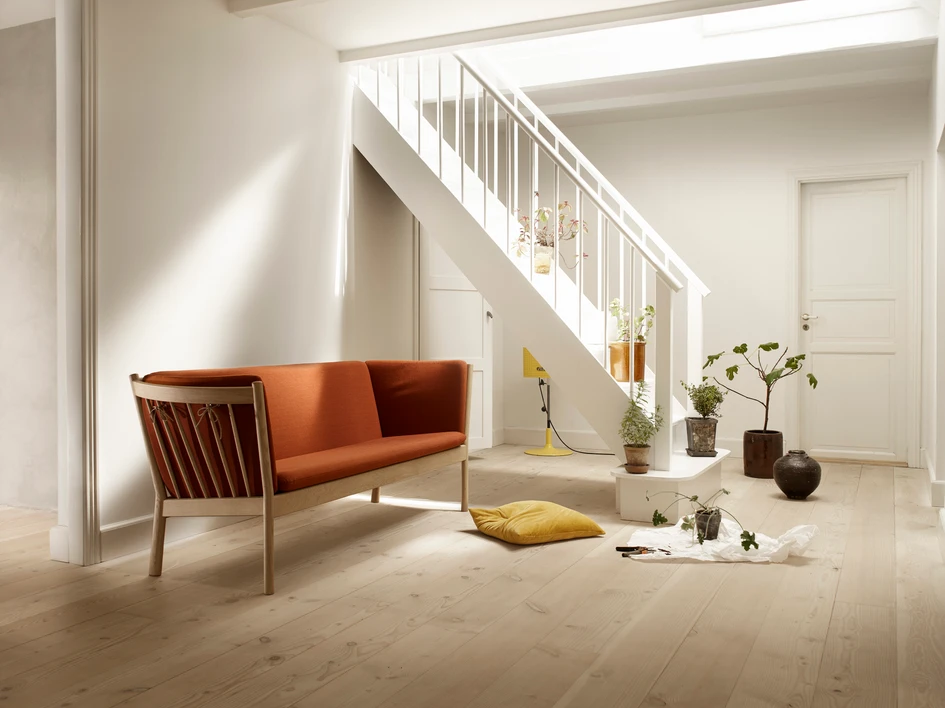
Now under the direction of CEO Ole Kiel, much of the brand’s collection today are classics reborn with Alken’s guidance, from the company’s rich archive of designs – some 800 drawings – dating back to the 1950s, 60s and 70s. These include best-selling favourites, much-beloved for their functional and familiar simplicity, such as Mogensen’s 1952 J52B chair, his own pared-back reinterpretation of the 18th-century English Windsor chair, and Poul M. Volther’s spindle-backed J46 dining chair, first designed in 1956.
"
'It looks like FDB Møbler, with the help of a host of contemporary designers, is on course to not only protect the Danish design beauties of the past, but also generate the classics of the future'
The process of deciding which pieces to reinstate, Alken says, required some consideration; a thoughtful rifling through FDB Møbler’s back catalogue to pinpoint the potential new hits – the furniture equivalent of a cover version. ‘Many companies somehow believe that all old products still have relevance today,’ he says, ‘but I don’t believe that at all. There are always good designs and bad designs, even 70 years ago! I used my intuition as a designer to select the reissues, but even the right ones needed to be updated.’
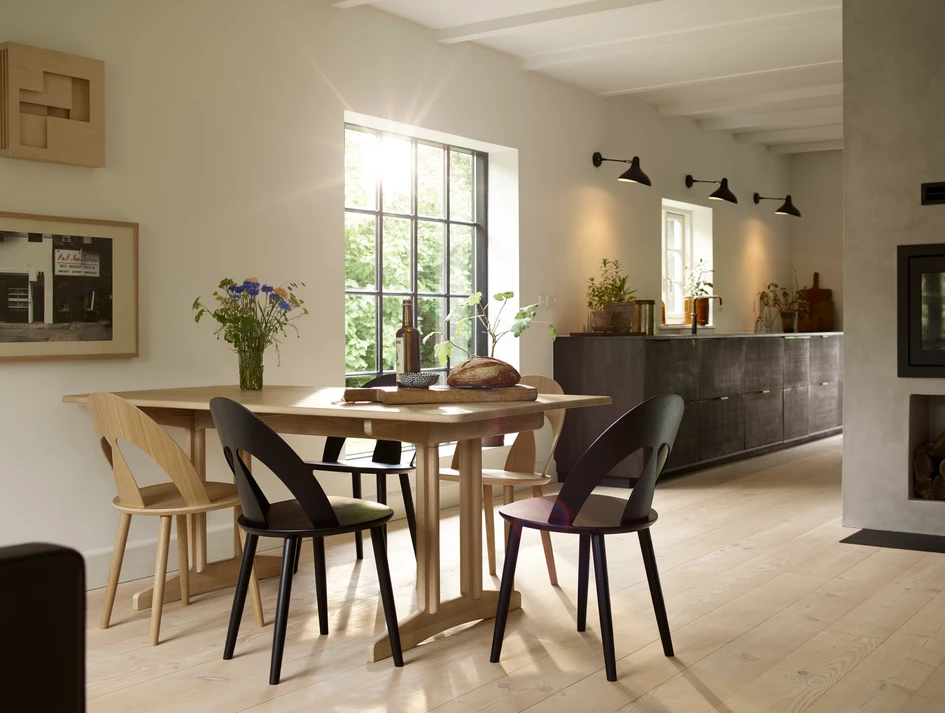

Such an approach may appear to be sacrilege, particularly when dealing with such cherished classics; seating and tables that for many Danes have literally become part of the furniture, heirlooms for future generations. These are intrinsically Danish designs; honest, modest, pared-back, handcrafted timber pieces that don’t shout but instead quietly hum in the corner becoming part of family life. Environmentally sound in their sparse use of materials, they are both solid and durable, sustaining the rituals and activities of daily life in a warm, tactile, unobtrusive but welcoming way. Crafted to last, they are the very definition of eco-friendly.
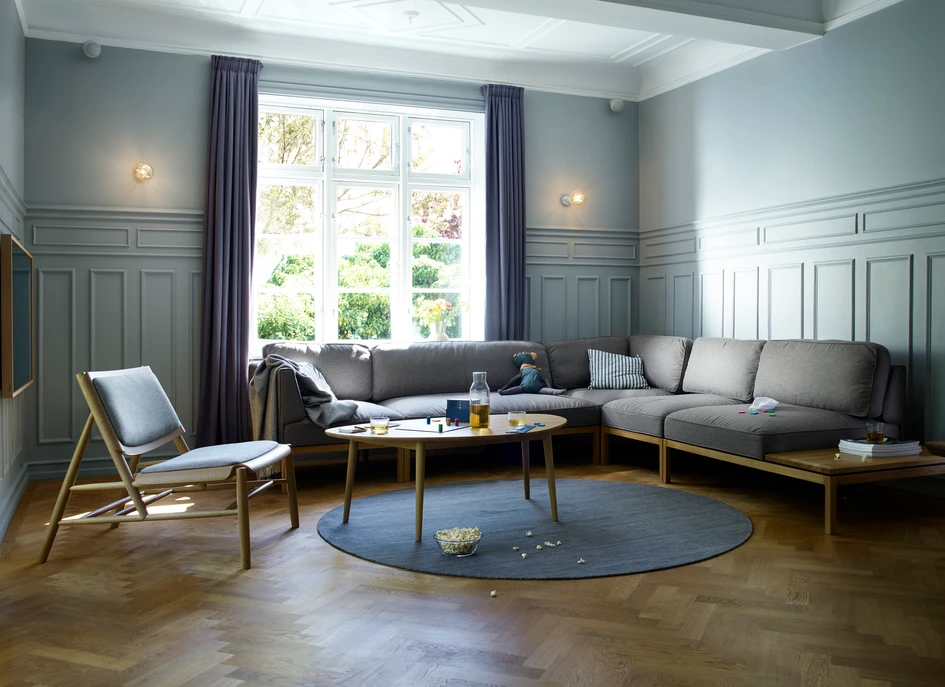
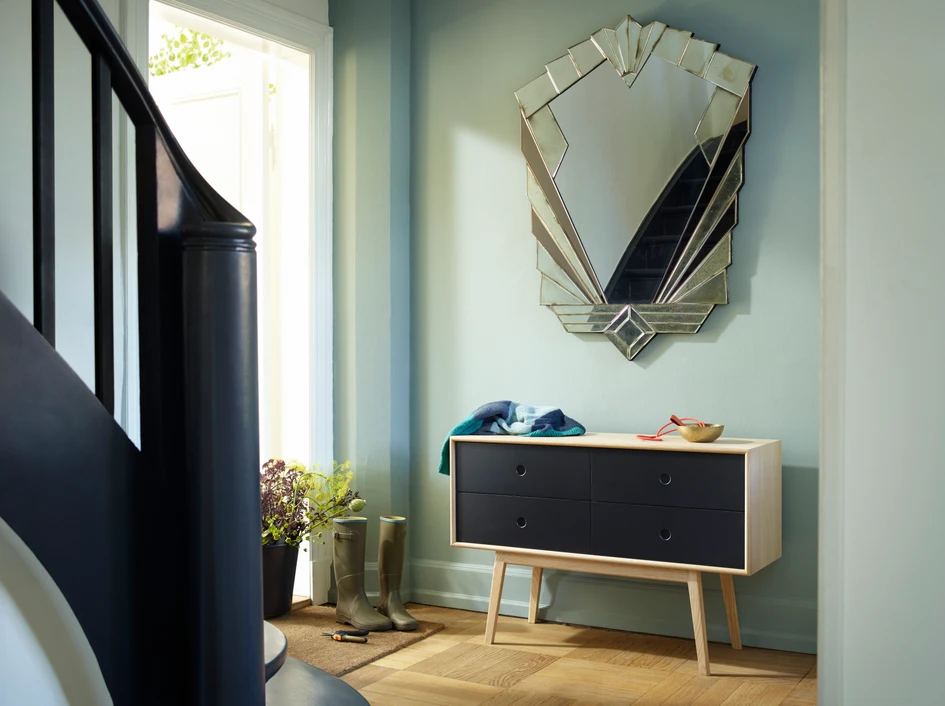
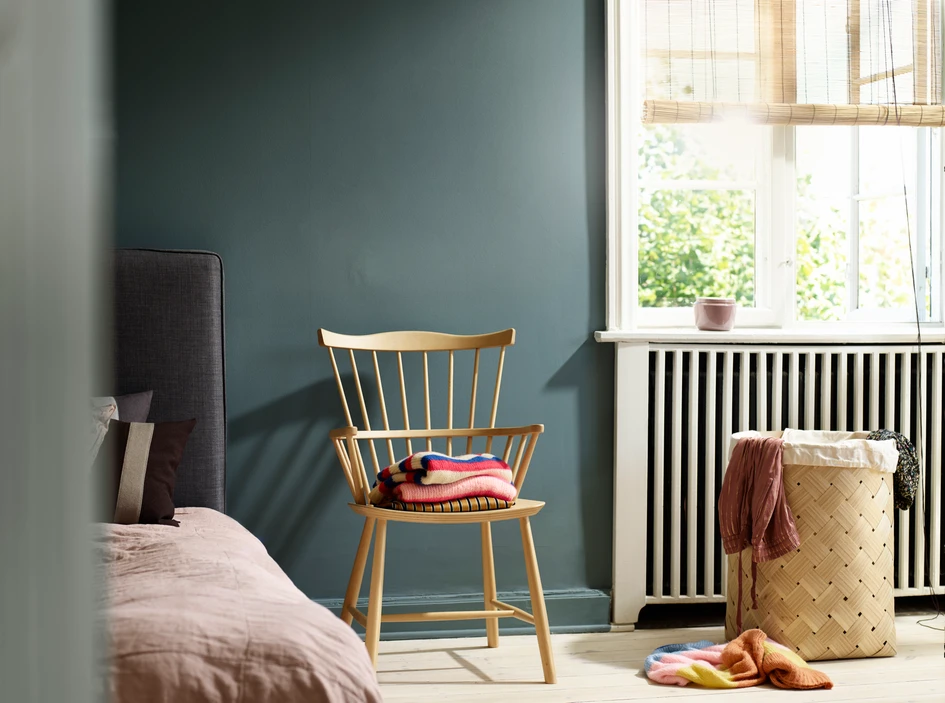
It is exactly this DNA that was fostered for the brand’s rebirth, while also moving it firmly into the 21st century, as FDB Møbler’s CEO Kiel explains: 'People have all been growing larger, particularly in the last 100 years, so it was important to remain faithful to the original designs while modifying and increasing some measurements. We also moved toward modern production methods to guarantee an affordable price.'
This is key, since the democratic philosophy of Mogensen and his fellow designers was that this furniture should be available for ordinary people to buy, from teachers to entrepreneurs. To this end, today FDB Møbler keeps a full stock of all its furniture components, allowing the production team to assemble pieces at speed. Danish homeowners (global transportation obviously adds time) wait only a matter of days for their sofa, rather than the typical two-month delivery period for high-quality handcrafted furniture.
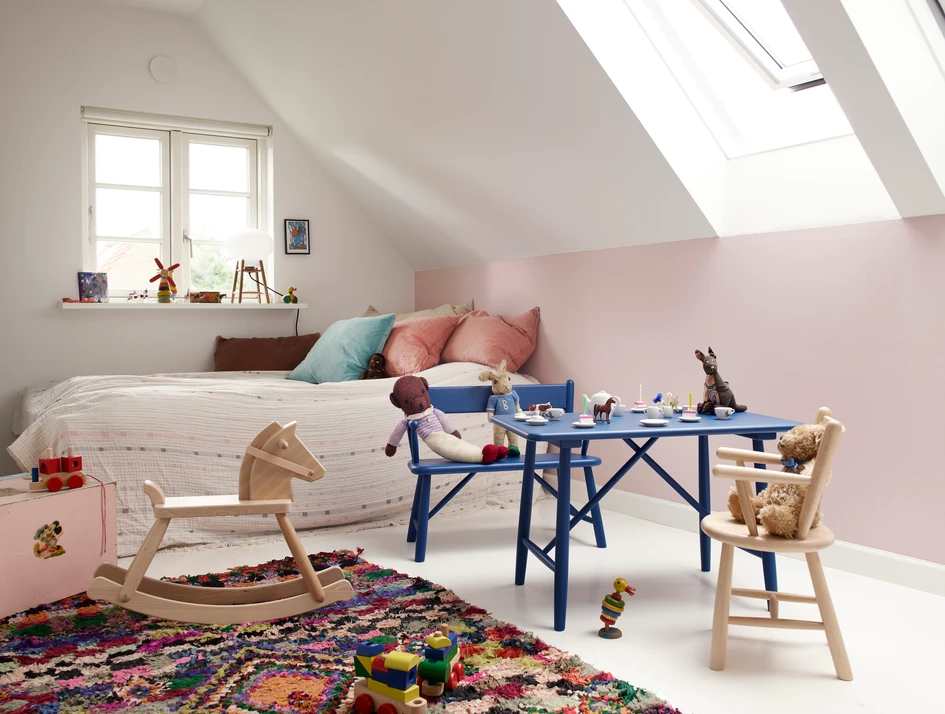
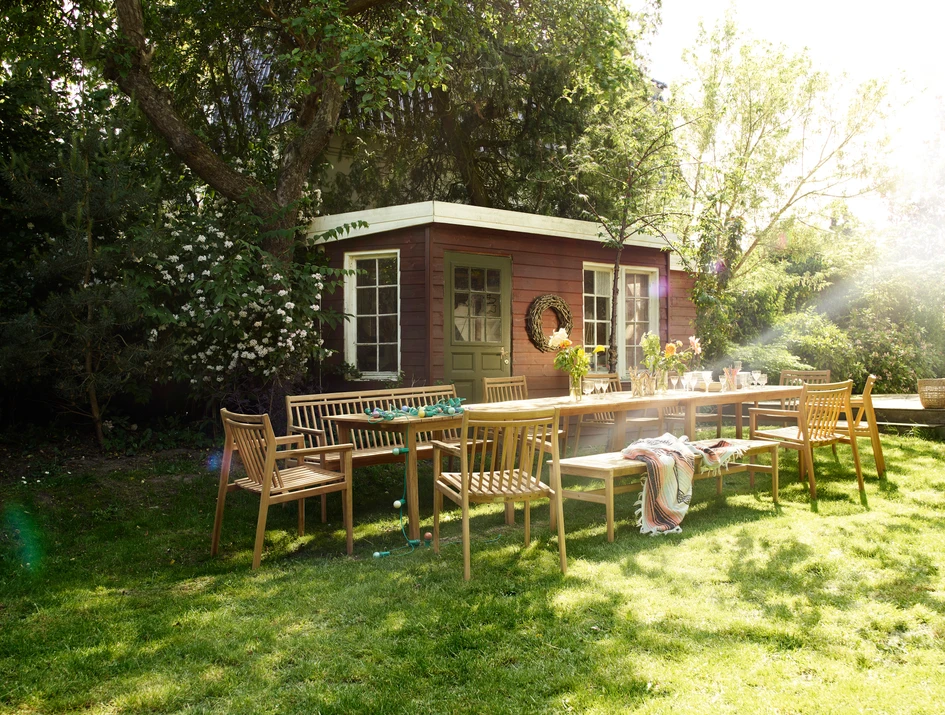
FBR Møbler is not all reissued classics though. There are new tunes being composed and they promise to be just as timeless in their appeal as those mid-century wonders of the past. These are no one-hit wonders resulting from trends, but well-thought-out pieces, designed to chime with the way we live now. Alken’s Sammen collection was the brand’s debut outdoor furniture range and in its utilitarian simplicity and rational design you can see he’s achieved his aim: ‘to base it on the best ideas from the good old days.'
Likewise, the 7-9-13 modular sofa, which launched last year, has all the classic hallmarks of FDB Møbler and yet it is created for 21st-century lifestyles. ‘I thought about what people would want from a sofa today,’ he says, referring to the 7-9-13, which translates as ‘knock on wood’. ‘It should be possible to eat on the sofa, to relax and watch a movie, to sit properly without spilling red wine, to sleep on it… or even be naked on it,’ he concludes with a smile. And that’s the definition of a hit, when a design is so mindful that it answers multiple human needs and desires.
It looks like FDB Møbler, with the help of a host of contemporary designers, is on course to not only protect the Danish design beauties of the past, but also generate the classics of the future.
© Architonic
Galleria del progetto


